
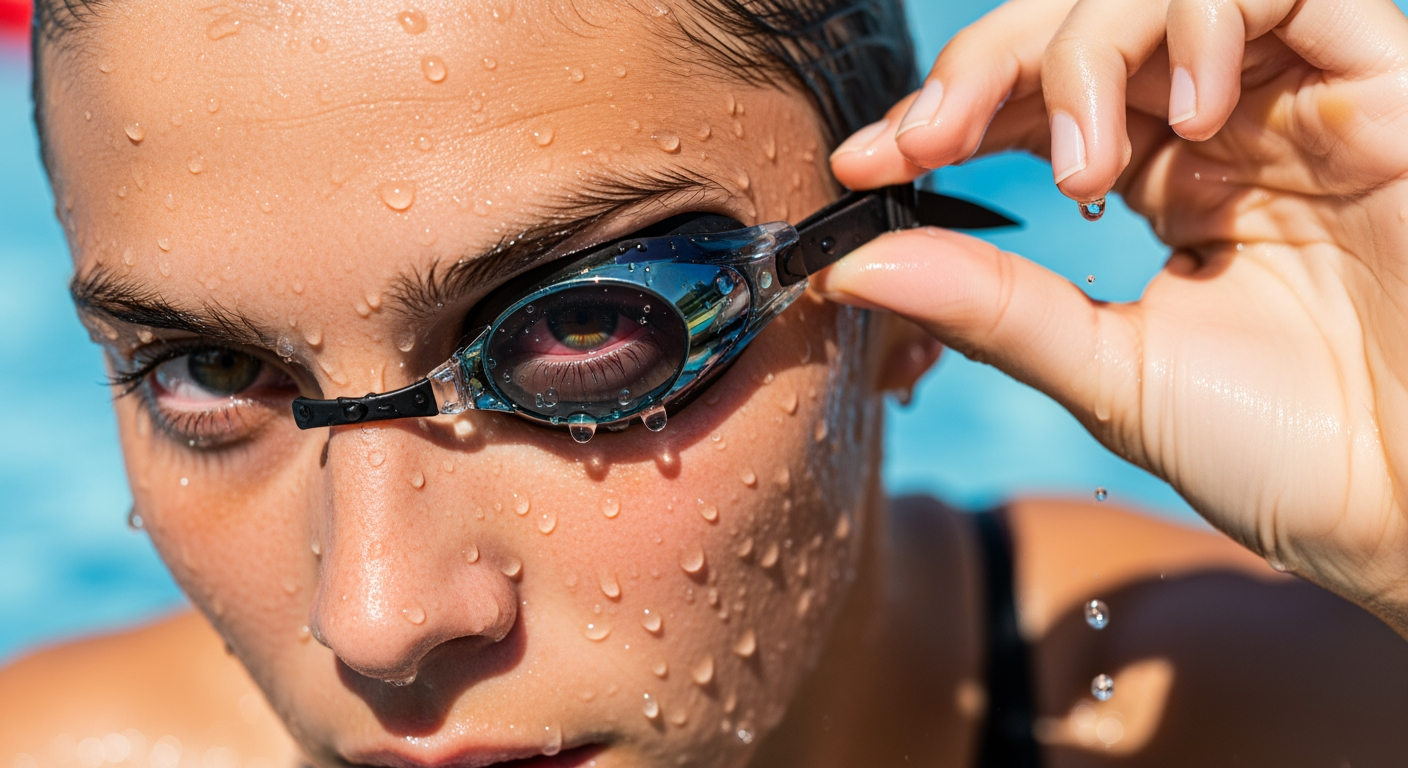
Swimmer’s eye can turn a fun pool day into a gritty, burning distraction—especially if you swim often, wear contacts, or already deal with dry eye. Chlorine and other pool chemicals don’t usually “infect” your eyes, but they can irritate the surface and leave your vision feeling off for hours (or longer). In the summer months, when pool time ramps up, these symptoms tend to show up more often and catch people by surprise.
The good news: many cases improve with smart, simple steps. The important part is recognizing the warning signs that suggest you should stop swimming, protect the eye, and consider an eye exam—because some symptoms overlap with problems that need medical attention.
If you’re looking for an eye doctor visit in Athens, start here: swimmer’s eye care in Athens, GA.
Key Points to Know First
- Chlorine exposure can irritate the eye’s surface, causing redness, burning, tearing, and temporary blurry vision.
- Stop swimming and remove contact lenses if symptoms begin—continuing exposure often makes irritation worse.
- Lubricating eye drops (preservative-free artificial tears) and cool compresses may help mild symptoms.
- Seek prompt evaluation for significant pain, light sensitivity, worsening swelling, discharge, or vision changes.
- Prevention is realistic: well-fitting goggles, good lens hygiene, and post-swim rinsing can reduce flare-ups.
How Pool Chemicals Trigger Surface Irritation
Most “chlorine eye” issues are really surface irritation: pool chemicals can disrupt the tear film (your eye’s natural protective layer) and irritate the clear front window of the eye (the cornea) and the surrounding tissue (the conjunctiva). When that surface gets inflamed, you may feel burning, stinging, grittiness, or the sensation that something is stuck in your eye.
Swimmer’s eye is more likely when you’re in the water for long stretches, open your eyes underwater, swim in heavily treated pools, or wear contact lenses while swimming. Contacts can trap irritants against the eye, which can prolong symptoms and raise the stakes if the surface becomes damaged.
Why Timing Matters When Symptoms Start
Eye irritation can look “minor” at first, but waiting too long can keep the surface inflamed and uncomfortable—sometimes affecting work, driving, and sleep. More importantly, some warning signs that people blame on pool water (like significant pain, persistent blurred vision, or light sensitivity) can also show up with corneal abrasions, infections, or other problems that shouldn’t be self-treated.
If symptoms aren’t improving with basic care, an eye exam helps clarify what’s actually going on and what treatment is appropriate. That’s especially true if you wear contacts, have a history of dry eye, or notice symptoms in only one eye.
Red Flags to Watch For After Swimming (Checklist)
- Redness that keeps spreading — Mild redness can happen, but increasing redness may signal worsening inflammation or another issue. What to do: stop swimming, avoid rubbing, use preservative-free artificial tears.
- Burning or stinging that lasts more than a few hours — Persistent discomfort can mean the surface is still irritated or injured. What to do: use cool compresses and lubricating drops; avoid contact lenses until fully comfortable.
- Gritty “sand in the eye” sensation — Often linked to tear-film disruption or surface irritation. What to do: lubricate frequently; consider a break from screens/wind exposure that can worsen dryness.
- Watery tearing that won’t settle — Tearing is a common reflex to irritation, but ongoing tearing suggests the eye is still unhappy. What to do: rinse the eyelids/skin around the eye with clean water, then lubricate.
- Blurry vision that doesn’t clear after you’re out of the pool — Temporary blur can occur, but persistent blur can indicate corneal involvement. What to do: stop swimming and consider an eye exam if it doesn’t improve.
- Light sensitivity (photophobia) — A key warning sign that can occur with corneal irritation or more serious problems. What to do: limit bright light exposure and seek professional evaluation.
- Eye pain (not just mild irritation) — Pain is a stronger signal than “itchy” or “scratchy.” What to do: don’t patch the eye; avoid numbing drops unless prescribed; get checked.
- Discharge that’s thick, yellow/green, or crusting — Chlorine irritation usually causes watery tearing, not thick discharge. What to do: avoid sharing towels/cosmetics; seek evaluation.
- Swelling of the eyelids or around the eye — Can happen with irritation, but notable swelling deserves attention. What to do: cool compress; seek care if swelling is significant or worsening.
- Symptoms mainly in one eye — Irritation can be uneven, but one-sided symptoms raise concern for abrasion or foreign material. What to do: don’t rub; consider an eye exam, especially if pain or blur is present.
Your Post-Swim Action Plan (Checklist)
- Get out of the water as soon as irritation starts—ongoing exposure can prolong symptoms.
- Remove contact lenses and switch to glasses until symptoms fully resolve.
- Rinse your face and eyelids with clean water (avoid blasting water directly into the eye).
- Use preservative-free artificial tears to support the tear film and soothe the surface.
- Apply a cool compress for 5–10 minutes to calm irritation.
- Avoid rubbing your eyes—it can worsen inflammation or cause a scratch on the cornea.
- Skip eye makeup until symptoms are gone, especially if there’s redness or discharge.
- Wear wraparound sunglasses outdoors if light sensitivity is present.
- Plan an eye exam if symptoms persist, recur frequently, or include pain/light sensitivity/vision changes.
Professional Insight: The Pattern We Often See
In practice, we often see people try to “power through” swimmer’s eye—especially on vacation—then end up with more inflammation and longer recovery time. The sooner you pause swimming, remove contact lenses, and support the tear film, the more comfortable the next 24–48 hours tends to be.
When to Seek Medical Care for Pool-Related Eye Symptoms
Consider professional evaluation (including an eye exam) if you notice any of the following:
- Moderate to severe eye pain
- Light sensitivity that’s new or worsening
- Vision changes that don’t clear quickly after leaving the pool
- Thick discharge, significant swelling, or crusting
- Symptoms that last into the next day or keep returning after swims
- Any symptoms while wearing contact lenses (especially if one eye is worse)
If you’re unsure, it’s reasonable to call and ask whether your symptoms should be seen promptly.
Common Questions Answered
Is pool-related eye irritation the same thing as an infection?
Not always. Chemical irritation commonly causes redness, burning, and watery tearing. Infections may include increasing pain, light sensitivity, thicker discharge, or worsening vision and typically deserve an eye exam.
Should I wear contact lenses while swimming?
Many eye care professionals recommend avoiding swimming in contact lenses when possible. Lenses can trap irritants and expose the eye to additional risk. If you do wear them, consider tight-fitting swim goggles and remove lenses right after swimming.
What eye drops are usually helpful after swimming?
Preservative-free artificial tears are a common first step for mild irritation. Avoid using someone else’s drops, and be cautious with “redness relief” drops, which may not be ideal for frequent use.
How can I prevent irritation the next time I’m in the pool?
Wear well-fitting goggles, avoid opening your eyes underwater, remove and replace contacts promptly after swimming, and rinse your face/eyelids after you get out. If you have dry eye, ask during your next eye exam about strategies to stabilize your tear film.
If symptoms keep coming back, what’s the next step?
Recurring irritation can be a sign that the ocular surface is already dry or sensitive. Scheduling an eye exam can help identify contributing factors and guide a plan tailored to your eyes and routines.
Taking Action
Swimmer’s eye is usually a surface irritation problem—but the warning signs matter because pain, light sensitivity, discharge, and lasting vision changes aren’t something to brush off. If symptoms start, step out of the pool, remove contacts, lubricate, and give your eyes a break. If you’re not improving or you’re seeing red flags, an eye exam can help clarify the cause and the safest next steps.
Ready to Get Started?
Our team is here to help. Give us a call to discuss your needs.