
Knowing when to book an eye exam can feel oddly complicated—especially if you “see fine” most days. This guide is for beginners who want a clear, practical way to decide when to come in, what a comprehensive visit usually includes, and what changes you shouldn’t ignore. Timing matters because vision shifts can be gradual, and some eye conditions don’t cause obvious symptoms early on. As spring rolls in and routines pick up again, it’s also a common moment for people to notice eyestrain, dryness, or blurry vision during screen-heavy days.
A comprehensive check is more than reading letters on a wall. It can help confirm whether you need glasses or contacts, evaluate eye health, and create a baseline for future comparisons. If you’ve been putting it off, you’re not alone—and a simple plan makes it easier to follow through.
If you’re ready to schedule an eye exam in Loganville, GA, it helps to know the most common “yes, it’s time” triggers first.
How a Comprehensive Eye Visit Actually Works
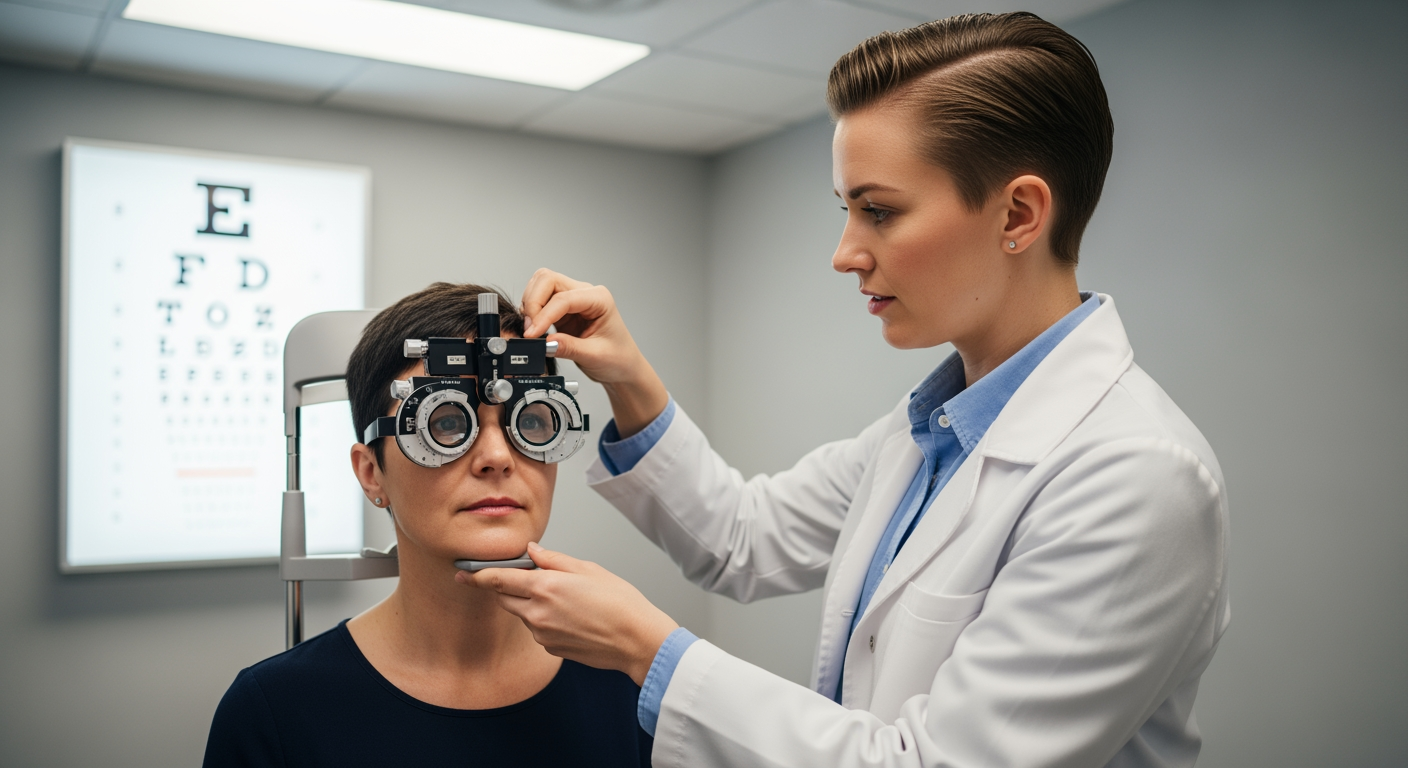
A comprehensive eye visit is a structured set of checks that looks at both how well you see and how healthy your eyes are. While every clinic’s process varies, most visits include:
- History and symptoms review: what you’re noticing (blur, dryness, eye strain), plus medications and health conditions.
- Vision testing: how clearly you see at distance and near, and whether glasses or contacts might help.
- Prescription assessment: refining lens power to improve clarity and comfort.
- Eye health evaluation: checking the front of the eye and deeper structures to look for signs of disease or changes over time.
- Personalized next steps: recommendations based on your findings, lifestyle, and risk factors.
If you’ve never had one, think of it like a “full checkup” for your eyes: not just whether you can read the chart, but whether your eyes are functioning and staying healthy.
Your Simple Plan for Scheduling and Preparing
- Pick a trigger: book if you notice blur, frequent squinting, headaches with reading, or worsening screen fatigue.
- List your symptoms: when they happen, how long they last, and what makes them better or worse.
- Bring your eyewear: glasses, contacts, contact lens boxes, and any recent prescriptions if you have them.
- Know your meds and conditions: include diabetes, high blood pressure, and any steroid use—these can matter for eye health.
- Ask about follow-up: before you leave, confirm when you should return and what changes should prompt an earlier visit.
When to Seek Medical Help for Eye Symptoms
Routine scheduling is great—but some situations shouldn’t wait. Seek prompt medical care if you experience:
- Sudden vision loss in one or both eyes
- New flashes of light or a sudden increase in floaters
- A curtain/shadow moving across your vision
- Eye injury (chemical exposure, blunt trauma, or penetrating injury)
- Severe eye pain with redness, nausea, or vomiting
If you’re unsure, it’s reasonable to call a medical professional for guidance on what level of care you need.
Your Questions, Answered
How often should I have my eyes checked if I feel fine?
It depends on your age, health history, family history, and whether you wear glasses or contacts. A clinician can recommend an interval that fits your risk factors and baseline findings.
What symptoms usually mean I should book sooner?
New blurry vision, headaches with reading, trouble focusing between near and far, increased glare at night, or frequent squinting are common reasons to schedule earlier.
Is a vision screening the same as a comprehensive visit?
No. A screening is a quick check that may flag a problem, while a comprehensive visit is designed to evaluate vision and eye health more thoroughly.
Should I wear my contacts to my appointment?
Bring your contacts and glasses. Depending on your needs, you may be asked to wear or remove contacts for certain measurements. If you’re coming for contact lens evaluation, bring your lens brand and prescription details if available.
What should I write down before I come in?
Note any symptoms (when they happen and what you were doing), your current eyewear prescription if you have it, your medications, and any family history of eye disease.
Where to Go from Here
Scheduling the right visit is mostly about noticing patterns: blur, strain, headaches with near work, or changes in night driving. A comprehensive evaluation can clarify whether you need an updated prescription, help address comfort issues, and establish a baseline for eye health. If you’re not sure what you need, starting the conversation is a practical first step.