
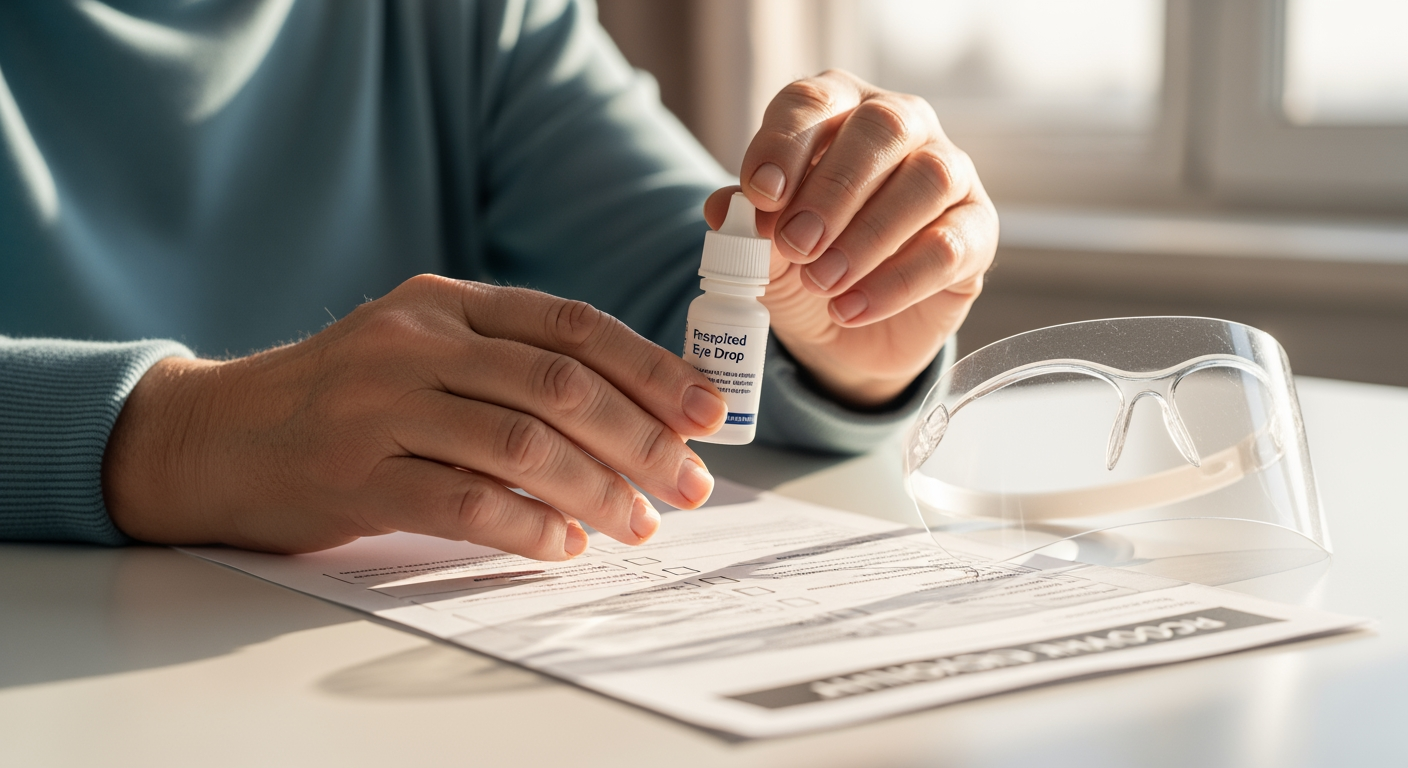
Recovering after cataract surgery can feel deceptively simple: your vision may improve quickly, but the healing process still has rules. This checklist is for patients and caregivers who want clear, practical steps to protect the eye, reduce avoidable irritation, and know what’s normal versus what needs a call to the office. A consistent plan matters because the early days after surgery are when routines—like using drops correctly and avoiding eye rubbing—make the biggest difference in comfort and smooth healing. In spring, when pollen and outdoor activity ramp up, it can be even more important to keep your eye protected and your hands clean.
Important: Always follow the specific instructions your surgeon gives you—your eye, your lens implant, and your medical history can change the plan. If your written instructions differ from anything below, your surgeon’s directions should be the priority.
If you’re looking for guidance and a visit with our team, start here: cataract surgery recovery in Commerce, GA.
Cataract Surgery Recovery
- Protect the eye. Use your shield or protective eyewear as instructed, especially while sleeping or around pets/kids.
- Use drops exactly as prescribed. Timing and technique matter; don’t “make up” missed doses without asking.
- Expect mild symptoms. Mild scratchiness, tearing, and fluctuating vision can happen early on.
- Avoid common triggers. Rubbing your eye, dusty environments, heavy lifting, and getting water in the eye can set you back.
- Know your red flags. Worsening pain, sudden vision decline, increasing redness, or new flashes/floaters should be reported promptly.
What Healing Typically Looks Like
Cataract surgery replaces the eye’s cloudy natural lens with a clear artificial lens (an intraocular lens). The incision is small, and many people feel better quickly, but the surface of the eye and the tissues inside still need time to settle. During recovery, your eye may be more sensitive to light, wind, and dry air. Vision can also fluctuate as inflammation improves and the tear film stabilizes.
Your prescription eye drops are commonly used to help control inflammation and reduce infection risk. Technique is a big part of results: clean hands, correct spacing between drops, and not touching the bottle tip to your eye can help avoid irritation or contamination.
Why Timing and Routine Affect Comfort and Results
A smooth recovery is often about consistency. Skipped drops, accidental eye rubbing, or “just one quick” yardwork session can lead to more irritation, more inflammation, or a longer period of blurry vision. Practically, that can mean extra phone calls, extra visits, and more time feeling unsure about what’s normal.
It also affects day-to-day life: driving, screen time, and returning to hobbies may be limited for a short period depending on how your eye is healing and what your surgeon recommends. Planning ahead—rides, time off work, and a simple home setup—can reduce stress.
Your Cataract Surgery Recovery Action Plan
- Set up a drop routine. Use phone alarms and a written log; bring the log to follow-up visits.
- Wash hands before every drop. Soap and water beats “I think they’re clean.”
- Use proper drop technique. Tilt head back, pull down the lower lid, instill one drop, then gently close the eye (don’t squeeze hard).
- Space drops out. If you have multiple drops, ask your surgeon how long to wait between them (many patients are told to separate drops rather than stacking them back-to-back).
- Wear your shield/eye protection as instructed. Especially during sleep or if you’re around dust, wind, or playful pets.
- Keep your environment eye-friendly. Reduce smoke, dust, and strong aerosols; consider a clean, dry towel for face drying and avoid sharing towels.
- Plan transportation. Arrange a ride to and from appointments and confirm when driving is appropriate for you.
- Use sunglasses outdoors. Light sensitivity is common early on; good sunglasses can improve comfort.
- Ask about artificial tears. If your eye feels dry or gritty, ask whether preservative-free lubricating drops are appropriate with your post-op medications.
Professional Insight: The One Step Patients Underrate
In practice, we often see that patients who do best aren’t necessarily the ones who “feel fine” immediately—they’re the ones who treat the first week like a routine-building phase. A simple drop schedule, clean hands, and a firm no-rubbing rule usually prevent the small setbacks that make recovery feel longer than it needs to be.
When You Should Call the Office
Contact your eye surgeon promptly if you notice any of the following, especially if symptoms are worsening rather than improving:
- Increasing eye pain (beyond mild soreness or irritation)
- Sudden decrease in vision or a new “curtain” or shadow in your vision
- Increasing redness or swelling
- New flashes of light or a sudden increase in floaters
- Thick discharge or significant light sensitivity that feels out of proportion
- Nausea/vomiting with eye pain (seek urgent medical guidance)
If you’re ever unsure, it’s reasonable to call and describe what you’re experiencing. Getting clarity early can prevent unnecessary worry—or help you get timely care.
Common Questions Patients Ask
How long does it take for vision to stabilize after surgery?
Many people notice improvement quickly, but vision can fluctuate while the eye heals and dryness or mild inflammation settles. Your surgeon can tell you what to expect based on your eye and the type of lens used.
Is it normal for the eye to feel scratchy or watery?
Mild scratchiness, tearing, or a gritty sensation can be common early on. If discomfort is increasing, becomes painful, or is paired with worsening redness or vision changes, call the office.
Can I sleep on the operated side?
Sleep positioning guidance varies. Many surgeons emphasize wearing the protective shield and avoiding pressure on the eye. Follow your post-op instructions and ask if you’re unsure.
What if I miss a dose of my prescription drops?
Don’t guess or double up automatically. Call the office for instructions, and consider using reminders or a written checklist to prevent repeat missed doses.
When can I return to exercise or yard work?
Activity limits depend on your healing and what “exercise” means in your routine. Ask for specific do’s and don’ts (lifting limits, bending, sweating, dust exposure) at your follow-up visit.
Call Georgia Eye Clinic to Schedule your Cataract Surgery
Cataract surgery recovery is usually manageable, but it goes smoother when you treat it like a plan: protect the eye, follow your drop schedule, and avoid the common triggers that cause irritation. Use the checklists above to keep your routine simple and consistent. If something feels off—especially worsening pain, redness, or vision—call for guidance rather than waiting.