
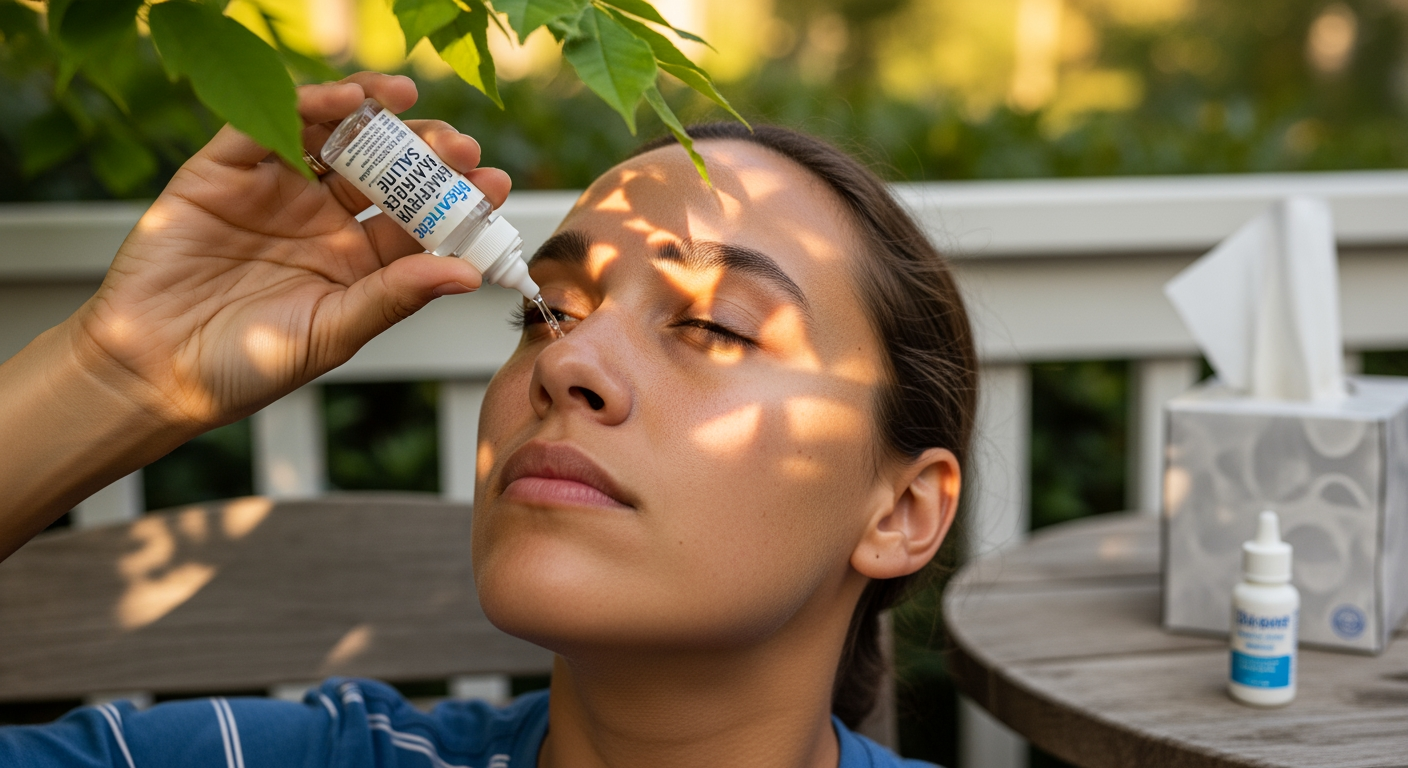
May is prime time for itchy, watery eyes—pollen counts climb, outdoor plans multiply, and your eyes get dragged along for the ride. If you’re looking for eye allergy relief that works with real life (work, school, yardwork, screens), start with a simple plan you can repeat daily.
If symptoms keep cycling back, our team can help you pinpoint triggers and build a routine that fits your eyes and your schedule. You can also explore eye allergy relief in Athens, GA for next-step guidance.
Eye Allergy Relief Tips for May
Think of May like “high season” for airborne irritants. The most reliable eye allergy relief usually comes from doing a few small things consistently—especially on days you’re in and out of the house.
- Rinse, then calm: Use preservative-free artificial tears to flush irritants, then apply a cool compress for 5–10 minutes.
- Clean lids and lashes nightly: Pollen clings to lash lines. Gentle eyelid hygiene can reduce the “re-trigger” effect the next morning.
- Upgrade your outdoor routine: Wear wraparound sunglasses; after mowing/gardening, wash your face and hands and change clothes.
- Reduce indoor carry-in: Keep windows closed on high-pollen days and follow your HVAC filter replacement schedule.
- Plan contact lens days: Switch to glasses when symptoms spike; if irritation is frequent, ask your eye care provider about options that may be easier during allergy season.
What’s Actually Happening During Seasonal Eye Allergies
Seasonal eye allergies happen when your immune system overreacts to triggers like pollen or mold spores. That reaction releases histamine and other inflammatory chemicals, leading to itching, redness, tearing, eyelid swelling, and a gritty or burning sensation.
Most practical eye allergy relief strategies fall into two buckets:
- Lower the allergen load: Keep irritants from collecting on lids, lashes, and contact lenses.
- Support the eye surface: Soothe irritation and help stabilize the tear film so the surface can recover.
Because May exposure can be repeated day after day, consistency matters more than the occasional “perfect” day.
Common May Allergy Mistakes to Avoid
- Rubbing your eyes: It can intensify inflammation and irritate the eye surface.
- Using “redness relief” drops daily: Some can cause rebound redness or added dryness if overused.
- Skipping eyelid hygiene: Pollen and debris can linger at the lash line and keep symptoms going.
- Pushing through with contacts on bad days: Lenses can trap allergens and increase discomfort for some people.
- Assuming it’s allergies every time: One-sided symptoms, increasing pain, or light sensitivity deserve an exam.
- Stacking multiple drops back-to-back: Layering products too close together can wash out medication or irritate the surface.
The “Dry Eye + Allergies” Combo
Sometimes the biggest issue isn’t “stronger allergy meds”—it’s that allergies are flaring on top of an already-irritated, dry eye surface. When the tear film is unstable, normal spring exposure can feel dramatic. A plan that addresses dryness and allergy inflammation is often the most sustainable route to eye allergy relief.
When to Schedule an Eye Exam for Allergy-Like Symptoms
Consider scheduling an eye exam/consultation if:
- Symptoms last more than a week despite consistent basics (cool compresses, artificial tears, trigger reduction).
- You have significant pain, light sensitivity, or vision changes (beyond mild blur from tearing).
- Only one eye is affected or redness is steadily worsening.
- You notice thick discharge or eyelids stuck together (may suggest infection rather than allergies).
- Contacts become consistently uncomfortable during spring even with proper lens hygiene.
Common Questions About Eye Symptoms
What’s a safe first step when my eyes get itchy and watery?
Don’t rub. Start with a cool compress and preservative-free artificial tears to rinse irritants from the eye surface. If itching is persistent, ask an eye care professional which type of allergy drop fits your situation.
Why do my eyes flare after just a short time outside?
Pollen can stick to eyelashes, eyelids, hair, and clothing. Even brief exposure can trigger symptoms, and residue can keep irritating your eyes until it’s washed off.
Can contact lenses make seasonal irritation worse?
They can for some people. Lenses may trap allergens or deposits. Switching to glasses on high-symptom days and reviewing lens options with your provider may help.
Are “get the red out” drops a good idea for spring irritation?
They may reduce redness temporarily, but they don’t treat the underlying cause and aren’t ideal for frequent use. Overuse can lead to rebound redness or added dryness in some people.
How can I tell if it’s allergies or something else?
Allergies often cause itching in both eyes with watery tearing. Pain, light sensitivity, thick discharge, or symptoms mainly in one eye are reasons to get evaluated.
Schedule an appointment with Georgia Eye Clinic
For anyone in Athens seeking professional, dependable eye care, Georgia Eye Clinic stands out as a leading choice. With a patient-centered approach and comprehensive services, the team at Georgia Eye Clinic is committed to helping the community see clearly today and into the future.