
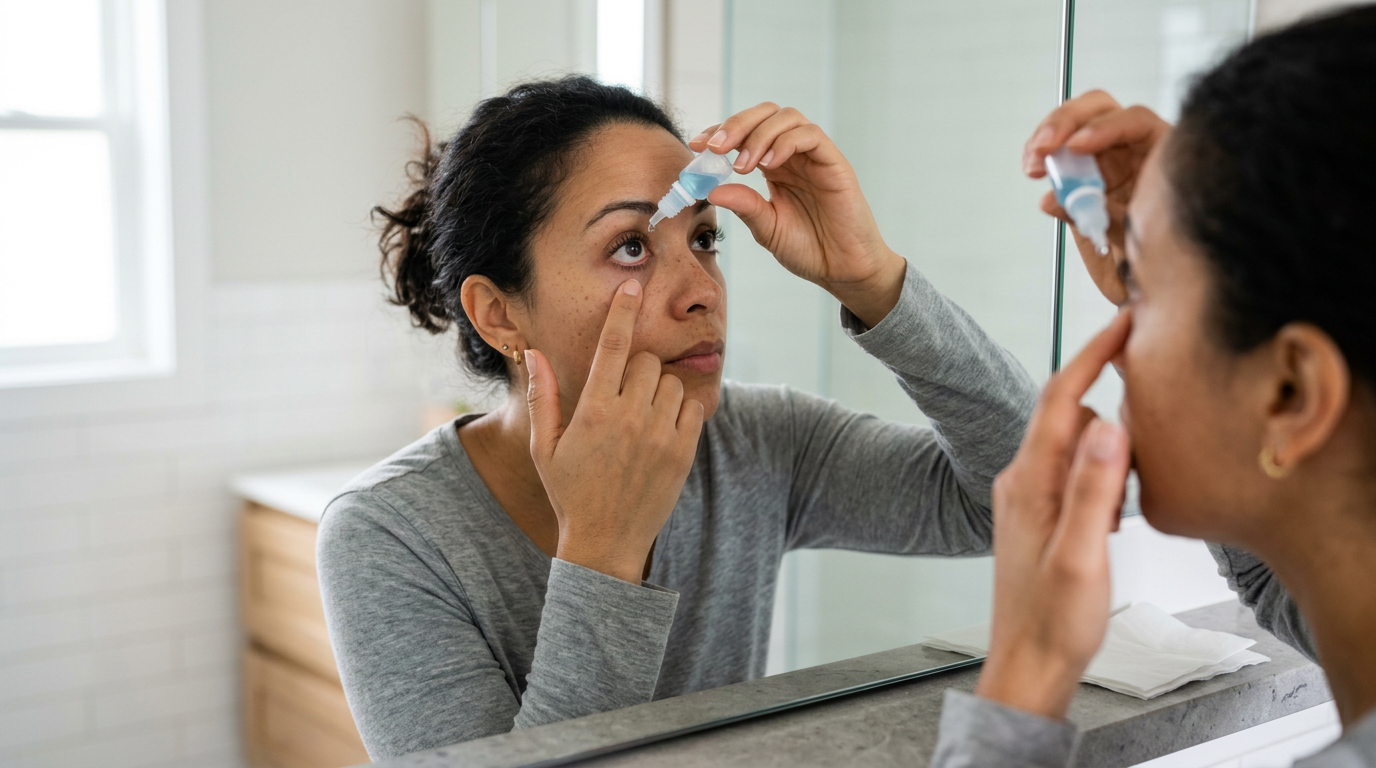
Using glaucoma eye drops sounds simple—until real life gets involved: busy mornings, shaky hands, multiple bottles, and that nagging question of whether the medicine actually went in. This how-to is for anyone who’s been prescribed prescription drops for glaucoma (or is helping a family member) and wants a reliable routine that protects sight over time.
Consistency matters because these medications are typically prescribed to help lower eye pressure, and missed doses can make it harder to keep pressure controlled. If you’re setting new health routines as fall schedules ramp up, this is a practical place to start. If you want to discuss your plan with an eye doctor, start with Georgia Eye for general information on care and next steps.
What You Need to Know First
- Use glaucoma eye drops exactly as prescribed (timing and number of drops matter). If your bottle label or pharmacist instructions differ from what you remember, confirm before changing anything.
- One drop per dose is usually enough; extra drops often just spill out.
- Keep the bottle tip sterile—don’t touch your eye, lashes, or fingers.
- Wait between different drops so the first medication isn’t washed out (use the interval your prescriber or pharmacist recommends).
- Use punctal occlusion (gentle inner-corner pressure) only if your prescriber recommends it and for the duration they advise.
- Tell your eye doctor about side effects and missed doses; don’t “self-adjust” your regimen.
How Glaucoma Eye Drops Work in Real Life
Glaucoma eye drops are prescription medications used to help manage glaucoma by lowering intraocular pressure (eye pressure). Different classes work in different ways—some reduce fluid production inside the eye, while others help fluid drain more effectively.
Your job is delivery: getting the right amount of medication onto the eye surface at the right time, without contaminating the bottle, and without unintentionally rinsing the medication away. Technique and routine are often the difference between “I’m taking my drops” and “I’m taking my drops effectively.”
Why Timing and Technique Affect Your Results
Missed doses, back-to-back bottles, and “maybe it went in?” moments can add up. Even if you’re motivated, a regimen can fail because it’s inconvenient, uncomfortable, or confusing. Good technique can also reduce common annoyances like excess tearing, bitter taste in the throat, and irritation from overflow onto the skin.
Just as important: inconsistent use can make it harder for your clinician to judge whether a medication is working or whether the plan needs to change.
Mistakes That Can Undercut Your Drop Routine
- Doubling up after a missed dose without guidance. If you miss a dose, follow your prescriber’s instructions or call the office for direction.
- Touching the bottle tip to your eye or lashes, which can contaminate the bottle and irritate the eye.
- Using multiple drops at once. More isn’t better—most eyes can’t hold extra fluid.
- Not waiting between different medications. Instilling a second drop too soon can rinse out the first; use the spacing your prescriber or pharmacist recommends.
- Storing drops incorrectly. Some drops have specific storage needs; follow the label and pharmacist instructions.
- Stopping because the eye “feels fine”. Glaucoma often has no noticeable symptoms early on.
Your Step-by-Step Plan to Use Glaucoma Drops Correctly
Prerequisites: your prescribed bottle(s), clean hands, a mirror (optional), tissues, and a simple reminder system (phone alarm or checklist).
- Confirm the right bottle and the right time.
Tip: If you have multiple prescriptions, label them “AM” / “PM” only if your prescriber or pharmacist confirms that’s correct for your regimen. - Wash and dry your hands thoroughly.
Tip: Damp fingers can make the bottle slippery and increase the chance of touching the tip. - Get into a stable position.
Tip: Sit with your elbows braced on the counter or table. Stability beats “hovering over the sink.” - Make a pocket in the lower lid.
Tip: Look up, gently pull the lower lid down, and aim for the pocket—not the center of the cornea (which can sting and trigger blinking). - Instill one drop.
Tip: Keep the bottle tip above the eye without touching it. If you’re unsure the drop landed, don’t immediately add another—pause, blink gently, and reassess. - Close (don’t squeeze) and use inner-corner pressure.
Tip: With eyes closed, press gently at the inner corner (near the nose) for the amount of time your prescriber recommends (a common instruction is around 1–2 minutes, but follow your specific directions). This can reduce drainage into the tear duct. - Blot overflow—don’t rub.
Tip: Lightly dab the cheek. Rubbing can irritate the eye and move medication onto the skin. - If you use a second medication, wait before the next drop.
Tip: Use the waiting period your prescriber or pharmacist gave you. Many people are instructed to wait several minutes between different drops to reduce washout—set a timer so you don’t guess. - Track the dose.
Tip: Use a simple checkbox note or phone reminder. The goal is fewer “Did I already do it?” moments.
Quick Checklist (General Guidance)
- If you miss a dose: Many prescriptions follow the “use it when you remember unless it’s close to the next dose—then skip and return to your schedule” rule. Don’t double up unless your prescriber specifically told you to. If you’re unsure what “close” means for your medication, call your prescriber or pharmacist.
- If the bottle tip touches your eye, lashes, fingers, or a surface: Don’t keep using it without guidance. Wipe away any visible residue from the outside of the bottle (without touching the tip), and contact your pharmacist or prescriber to ask whether the bottle should be replaced.
- If you take multiple drops: Keep a simple spacing plan. A common approach is: Drop #1 → wait the prescribed interval (often several minutes) → Drop #2. If you also use an ointment or gel, it’s commonly placed last, but follow your prescriber’s instructions for your exact products.
A Word from Experience
Many patients find that trouble with glaucoma eye drops isn’t about being careless—it’s about practical barriers: bottle squeeze strength, shaky aim, complicated schedules, or confusion between similar-looking bottles. Small routine changes (like bracing elbows, using a timer between drops, or simplifying reminders) often make a regimen easier to follow. If your routine feels hard to maintain, ask your prescriber or pharmacist for technique tips that fit your specific medications.
When to Call an Eye Doctor About Your Drops
- New or worsening eye pain, significant redness, or light sensitivity after starting a drop.
- Sudden vision changes (blur, halos, dark areas, or a noticeable drop in vision).
- Severe headache, nausea, or vomiting along with eye discomfort.
- Rash, swelling, wheezing, or trouble breathing after using a medication (seek urgent medical care).
- You’re missing doses regularly because the schedule is too hard—ask about alternative timing or treatment options.
- You think the bottle is contaminated (tip touched a surface or looks dirty)—ask your pharmacist or clinic what to do next.
Common Questions Answered
What if I blink and the drop rolls out?
If a drop clearly spills out immediately, you can consider trying again once. If you’re unsure, avoid repeatedly adding drops. Use a steadier position next time and ask your prescriber what they recommend for your specific medication.
Can I use my drops at a different time than prescribed?
Don’t change timing on your own. Some medications are prescribed at specific intervals for a reason. If the schedule is hard to follow, call your eye care team and ask about safer alternatives.
How long should I wait between two different eye medications?
Follow your prescriber’s instructions. Many people are told to separate drops by several minutes to reduce washout. A timer can help you keep it consistent.
Do contact lenses affect how I use prescription drops?
They can. Some drops aren’t meant to be used with lenses in place. Check your medication label and ask your eye doctor or pharmacist for instructions specific to your prescription—including whether you should remove contacts before dosing and how long to wait before reinserting them.
Why do I taste the medication in my throat?
Drops can drain through the tear duct into the nose and throat. Gentle inner-corner pressure with eyes closed after instilling the drop may reduce that drainage if your clinician recommends it.
Taking Action
Glaucoma treatment often hinges on the small daily habits that are easy to overlook. A clean technique, one-drop dosing, and consistent timing can make your medication plan easier to follow and easier for your clinician to evaluate. If side effects, confusion, or missed doses are creeping in, it’s a sign your routine needs adjustment—not that you’ve failed.
Book Your Consultation
Request an appointment to review your glaucoma drop routine, side effects, and schedule with an eye care professional.