
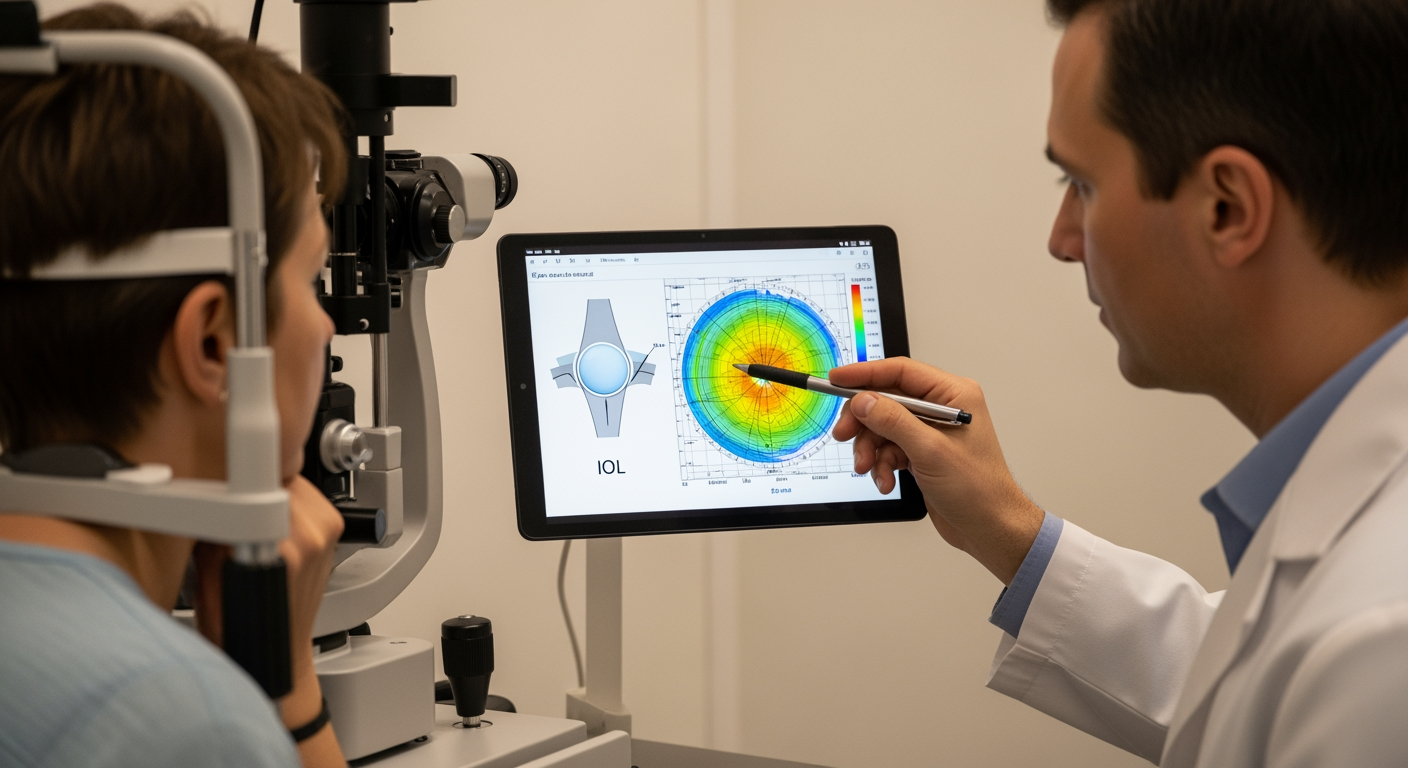
Cataract surgery vs LASIK can sound like a simple “which one is better?” question—but they solve different vision problems, work on different parts of the eye, and fit different life stages. If you’re trying to decide which procedure makes sense for you (or a family member), the most helpful starting point is understanding what each option is designed to fix and what results are realistic to expect. This matters because choosing the wrong procedure—or expecting the wrong outcome—can lead to extra costs, extra appointments, and a lot of frustration.
During summer travel and outdoor time, many people notice vision issues more (glare, halos at night, or trouble reading a phone in bright light), which often prompts questions about surgical vision correction. The goal of this guide is to compare the two procedures in plain language so you can have a more productive conversation with your ophthalmologist.
If you’re looking to discuss options locally, you can start with cataract surgery vs LASIK in Greensboro, GA and schedule a consultation to review candidacy and next steps.
Cataract Surgery vs LASIK
- Cataract surgery treats a cloudy natural lens (a cataract) by removing it and replacing it with an artificial lens implant.
- LASIK reshapes the cornea to reduce refractive error (nearsightedness, farsightedness, and/or astigmatism) when the natural lens is otherwise clear.
- Cataracts are typically age-related; LASIK is usually considered when your prescription is stable and your eyes are healthy.
- Both require a professional evaluation—your eye health, measurements, and goals determine what’s appropriate.
- Many people still need glasses for some tasks after either procedure; outcomes vary by individual.
How Each Procedure Changes Your Vision
Cataract surgery addresses vision loss caused by a cloudy lens. The surgeon removes the clouded natural lens and replaces it with an intraocular lens (IOL). The IOL choice can influence how much you rely on glasses afterward, depending on your eyes and your visual priorities.
LASIK is a corneal procedure. A laser reshapes the cornea to better focus light onto the retina. LASIK does not remove cataracts, and it does not replace the eye’s lens.
| Comparison criteria | Cataract surgery | LASIK |
|---|---|---|
| Primary purpose | Restore clarity by removing a cataract; replace lens | Reduce refractive error by reshaping cornea |
| Part of the eye treated | Natural lens (replaced with IOL) | Cornea (reshaped) |
| Who it’s commonly for | People with cataract-related vision changes | People with stable prescriptions and healthy corneas |
| Typical vision goals | Clearer vision; reduce glare; improve daily function | Less dependence on glasses/contacts for distance |
| Glasses after procedure | Possible depending on IOL and eye health | Possible, especially for reading as you age |
Why the Choice Impacts Cost, Timing, and Expectations
The “right” option isn’t just about price—it’s about matching the procedure to the problem you’re actually having. Cataracts tend to worsen over time, so delaying can mean increasing glare, reduced night driving confidence, and more difficulty with reading or recognizing faces. LASIK is usually elective, so timing often depends on lifestyle, prescription stability, and whether your eyes are good candidates.
Cost/value considerations can vary widely based on testing, technology used, and lens options. In general, cataract surgery cost is influenced by medical need and lens selection, while LASIK pricing depends on the technology and complexity of your prescription. The best value is the option that safely addresses your visual limitation with realistic expectations.
Common Missteps to Avoid When Comparing These Two Procedures
- Assuming LASIK “fixes” cloudy vision from cataracts. If the lens is cloudy, reshaping the cornea won’t remove that cloudiness.
- Choosing based on a friend’s outcome. Eye measurements, dryness, corneal thickness, and lens clarity vary a lot person to person.
- Skipping a full eye health evaluation. Conditions like dry eye, glaucoma, or retinal issues can affect both candidacy and satisfaction.
- Expecting zero glasses forever. Many people still use glasses for certain tasks after surgery, especially reading over time.
- Not discussing your lifestyle. Night driving, screen work, sports, and hobbies should shape the recommendation.
Which One Fits Your Situation?
- Start with symptoms: Is your main issue blur and glare that seems “cloudy,” or is it a stable glasses/contacts prescription you want to reduce?
- Get measured: Ask for corneal mapping/topography (for LASIK planning) and lens/retina evaluation (for cataract planning).
- Talk about dry eye: Treating dryness first can improve measurements and comfort—especially important for laser vision correction.
- Clarify your priorities: Distance vision, reading, night driving, and screen time each come with tradeoffs.
- Review medication and health history: Certain conditions and medications may influence surgical planning and recovery.
What We Often See in Real Consultations
In practice, we often see people come in asking for LASIK when their biggest complaint is actually cataract-related glare or “washed out” colors—especially noticeable at night. Once we separate clarity problems (often lens-related) from focus problems (often refractive), the decision becomes much more straightforward and less stressful.
When to Seek an Ophthalmology Evaluation
Consider scheduling a comprehensive evaluation if you notice any of the following:
- Increasing glare, halos, or trouble driving at night
- Vision that seems cloudy, dim, or “yellowed” despite updated glasses
- Frequent prescription changes in a short period
- Persistent dry eye symptoms that affect comfort in contacts or screens
- Any sudden vision change, eye pain, flashes, or a curtain-like shadow (seek urgent medical attention through appropriate emergency channels)
Frequently Asked Questions
Can I get laser vision correction if I already have cataracts?
It depends on how significant the lens clouding is and what your goals are. If cataracts are affecting vision, your ophthalmologist may recommend addressing the cataract first rather than reshaping the cornea.
Does lens replacement mean I’ll never need glasses again?
Not necessarily. Some people still need glasses for reading, computer work, or driving depending on the lens option chosen and the health of the eye.
What’s the main difference in recovery expectations?
Recovery varies by individual and by procedure. Your surgeon will provide specific post-op instructions, activity guidelines, and follow-up timing based on your eye and the technique used.
What if I’m not a good candidate for either option?
If you’re not a candidate for one procedure, there may be other vision correction approaches or treatment plans depending on the reason. A comprehensive exam is the best way to clarify safe options.
Moving Forward
Cataract surgery and LASIK are both established procedures, but they’re designed for different problems—lens clouding versus refractive focus. The smartest next step is a thorough evaluation that confirms what’s driving your symptoms and what outcomes are realistic for your eyes. If you’re weighing options, bring your questions, your daily visual priorities, and any concerns about glare, dryness, or night driving to your visit.
Find out how we can help with a no-obligation quote.