
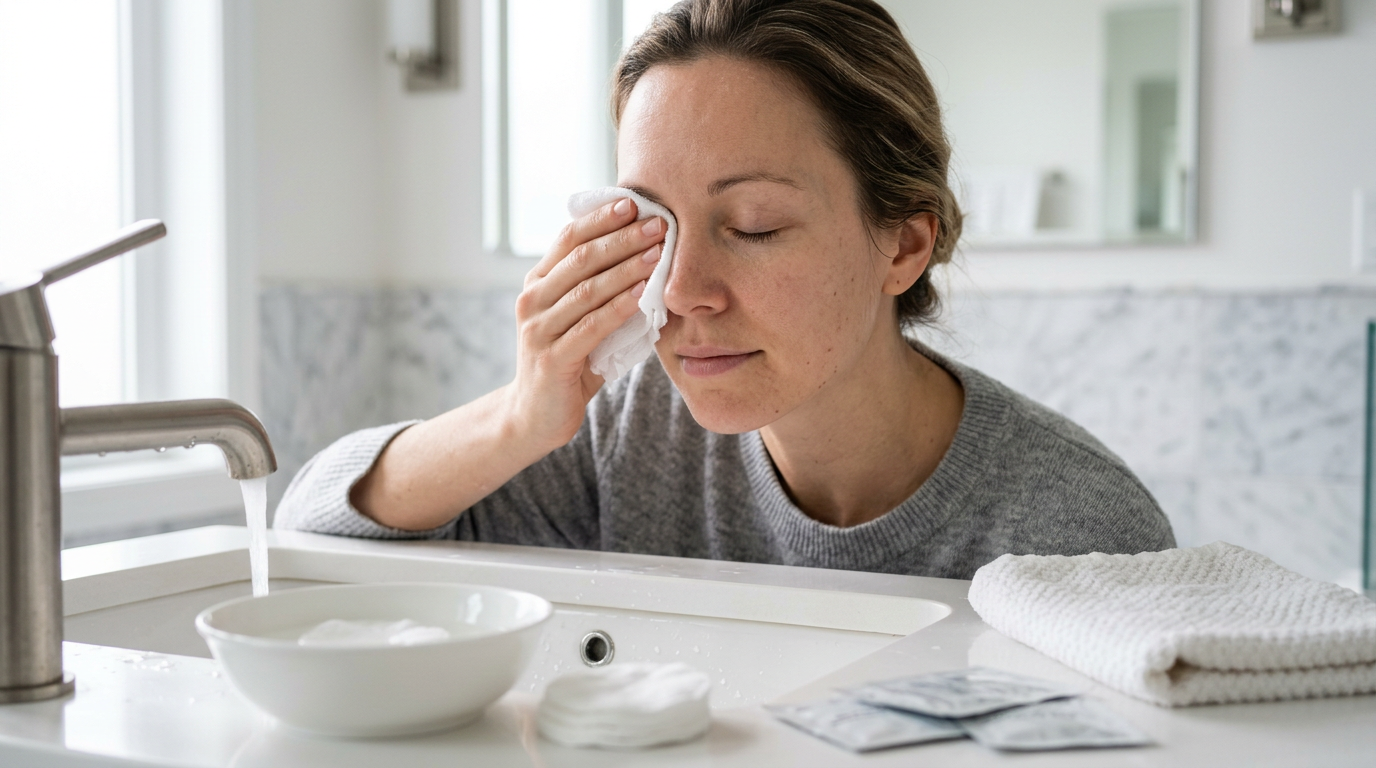
Blepharitis can be confusing because it often looks like “just irritated eyes,” but the problem is usually happening right at the eyelid edge where your lashes grow. If you’re noticing burning, gritty discomfort, crusting on the lashes, or lids that look red and puffy, you’re probably searching for clear guidance on blepharitis symptoms and what to do next. This beginner-friendly guide is for adults, parents, and contact lens wearers who want practical steps they can start safely at home—and to know when it’s time to see an eye doctor. Fall can also bring drier indoor air and more screen time, which may make eyelid irritation feel harder to ignore.
Blepharitis is common, but it isn’t something you have to “tough out.” The right routine can reduce flare-ups, and an exam can confirm what’s causing your eyelid inflammation (and rule out look-alike conditions).
If you’re looking for an eye doctor, you can start with blepharitis symptoms care in Loganville, GA to schedule an evaluation and discuss treatment options.
The Essentials: Blepharitis Symptoms in Plain English
- Blepharitis symptoms often include burning, stinging, gritty sensation, red lid margins, and crusting around the lashes—especially in the morning.
- Many cases improve with consistent lid hygiene: warm compresses + gentle lid cleaning.
- It can be linked to clogged oil glands (meibomian glands) that affect tear quality and increase tear evaporation, which can feel like dry eye. (See: American Academy of Ophthalmology, EyeWiki: “Blepharitis” and “Meibomian Gland Dysfunction.”)
- Makeup, contact lenses, and certain skin conditions can worsen flare-ups; small routine changes often help.
- See a professional if you have significant pain, vision changes, a swollen lump, or symptoms that keep returning.
What Blepharitis Is (and Why Your Lids Get Irritated)
Blepharitis is inflammation of the eyelids, usually along the lid margin (the “rim” where eyelashes come out). It’s not the same thing as pink eye (conjunctivitis), although the redness and irritation can look similar. With blepharitis, the main issue is typically at the eyelid edge and oil glands.
Two common patterns can overlap:
- Anterior blepharitis: affects the front of the lid near the eyelashes. You may see flaky debris or crusting at the lash base.
- Posterior blepharitis (meibomian gland dysfunction): affects the oil glands along the lid margin. When oils are thick or blocked, the tear film’s oily layer is reduced and tears can evaporate faster, which can feel like dry eye. (See: American Academy of Ophthalmology, EyeWiki: “Meibomian Gland Dysfunction.”)
Because tears are a mix of water, oil, and mucus, oil-gland problems can make your eyes feel watery and dry at the same time. That’s one reason blepharitis symptoms can be surprisingly annoying for something that sounds minor.
How Untreated Eyelid Inflammation Can Affect Comfort and Vision
Blepharitis is often more about quality of life than emergency risk, but it can still cause real day-to-day problems. Ongoing irritation can make screens harder, contacts less comfortable, and mornings more frustrating.
- Comfort: burning, itching, and foreign-body sensation can distract you all day.
- Vision clarity: unstable tears can cause fluctuating blur that comes and goes with blinking.
- Recurring bumps: blocked glands can contribute to styes or chalazia (lid lumps).
- Time and cost: repeated “trial-and-error” with random drops can add up if the lid margin isn’t addressed.
If you’re also due for routine care, an eye exam can help connect the dots between eyelid inflammation, dry eye, and any vision changes you’ve been ignoring.
Common Missteps That Make Blepharitis Worse (Checklist)
- ☐ Scrubbing too aggressively: harsh rubbing can irritate the lid skin and make inflammation worse.
- ☐ Using random redness-relief drops daily: some products reduce redness temporarily but don’t treat the lid margin problem.
- ☐ Skipping warm compress time: quick “splash and go” cleaning often isn’t enough to soften thick oils.
- ☐ Reusing old eye makeup: mascara and liners can reintroduce irritants and bacteria to the lid edge.
- ☐ Wearing contacts through flare-ups: lenses can feel intolerable when tears are unstable and lids are inflamed.
- ☐ Assuming it’s always allergies: allergies can coexist, but blepharitis needs lid-focused care.
A Simple Home Routine for Treatment Basics (Checklist)
- ☐ Warm compress: use a comfortably warm (not hot) compress on closed lids for about 5–10 minutes to soften oils.
- ☐ Gentle lid cleaning: clean along the lash line with a lid wipe or diluted, eye-safe cleanser recommended by your eye doctor.
- ☐ Consistency first: do the routine daily during flare-ups; then follow your clinician’s guidance for maintenance.
- ☐ Pause eye makeup if needed: consider a short break during active irritation, then replace older products.
- ☐ Contact lens strategy: switch to glasses during bad days and ask your provider about lens type and cleaning options.
- ☐ Track triggers: note patterns (screen time, makeup, dusty environments) so you can reduce repeat flare-ups.
Some people also need prescription treatments (for example, targeted antibiotic or anti-inflammatory options) depending on what’s driving their blepharitis symptoms. That decision should be made with an eye care professional after an exam.
Professional Insight: The “Dry Eye” That Starts at the Lash Line
Many people try artificial tears first for burning, watering, or a gritty feeling. If the underlying issue is blepharitis or meibomian gland dysfunction, drops alone may not address the lid margin where the tear film’s oil layer is produced. A lid-focused routine (warm compresses plus gentle lid cleaning) is commonly recommended because heat can help melt/loosen thickened meibomian gland secretions and make expression/flow easier. (See: American Academy of Ophthalmology, EyeWiki: “Blepharitis” and “Meibomian Gland Dysfunction.”)
When to Seek Medical Care for Eyelid Irritation
Quick Triage: Mild vs. Urgent (and what to do today)
- Usually OK to start home care (and book a routine visit): mild burning/grittiness, light crusting on lashes, intermittent watering, symptoms that are worse in the morning, irritation that improves after blinking or cleaning.
- Stop contact lenses and pause eye makeup until you’re comfortable again: if you have active redness/irritation, discharge/crusting, or your lenses feel painful or unusually dry. Replace old eye makeup after a flare-up.
- Seek urgent evaluation: moderate to severe eye pain, significant light sensitivity, sudden or persistent vision changes, a rapidly enlarging lid lump, swelling spreading around the eye, thick yellow/green discharge, fever/feeling unwell, or one eye suddenly much worse than the other.
- What an eye exam may include: slit-lamp exam of the lid margin and lashes, checking for blocked meibomian glands (sometimes with gentle expression), and a dry-eye/tear-film evaluation to see how quickly tears evaporate and whether the ocular surface is irritated.
Schedule an eye appointment if you notice any of the following:
- Vision changes (new blur that doesn’t clear with blinking, or sudden worsening)
- Moderate to severe pain or significant light sensitivity
- A persistent or enlarging lid lump, or swelling that spreads
- Discharge that’s thick, yellow/green, or accompanied by feeling unwell
- Symptoms that keep coming back despite consistent lid hygiene
- One eye much worse than the other, especially if it’s a new pattern
If you’re unsure whether it’s blepharitis, allergies, dry eye, or an infection, a comprehensive evaluation can clarify the cause and prevent wasted time on the wrong products.
Common Questions Answered
How can I tell if my eyelid irritation is blepharitis or pink eye?
Blepharitis tends to center on the lid edges and lashes (crusting, flaky debris, red lid margins). Pink eye more often causes redness across the white of the eye and may involve contagious viral symptoms or significant discharge. An exam can confirm the cause.
Do warm compresses actually help, or is that just a home remedy?
Warm compresses can help by loosening thick oils in the eyelid glands and softening crusts so cleaning is gentler and more effective. This is a common recommendation in ophthalmology guidance for blepharitis/meibomian gland dysfunction. (See: American Academy of Ophthalmology, EyeWiki: “Blepharitis.”)
Can I wear contacts if my eyes feel gritty and irritated?
Many people find contacts feel worse during flare-ups. Switching to glasses temporarily and getting guidance on lens type, cleaning, and tear support can reduce irritation and protect the ocular surface.
Will I need antibiotics for eyelid inflammation?
Some cases benefit from prescription treatment, but not everyone needs antibiotics. The best option depends on what’s causing the inflammation and how your eyelids and tear film look during an exam.
How long does it take to see improvement?
Timelines vary. Some people notice partial relief within several days of consistent lid care, while more established meibomian gland dysfunction can take a few weeks of daily routine to see steadier improvement. If you’re not improving after a couple of weeks of consistent home care—or symptoms are worsening—an eye exam can help refine the diagnosis and treatment plan. (See: American Academy of Ophthalmology, EyeWiki: “Blepharitis.”)
Taking Action
Blepharitis can feel minor until it starts interfering with comfort, contacts, and clear vision. Focus on what you can control: consistent warm compresses, gentle lid hygiene, and avoiding common irritants during flare-ups. If symptoms persist, recur, or come with pain or vision changes, an eye evaluation can pinpoint the cause and tailor treatment. Getting the right plan early can save you weeks of guessing.
Next Step: What to Bring to a Blepharitis Visit
If you decide to schedule an evaluation, a little prep can make the visit more useful:
- Bring (or list) your eye products: artificial tears, allergy drops, ointments, lid wipes/cleansers, and any prescription eye meds.
- Note your routine and triggers: contact lens schedule, screen time, makeup use, and whether symptoms are worse in the morning or at night.
- Come without eye makeup if possible: it helps the clinician see the lid margin and lashes clearly.
- Be ready to discuss treatment options: depending on findings, the plan may include a structured lid-hygiene routine, dry-eye support, management of meibomian gland dysfunction, and (when appropriate) prescription anti-inflammatory or antibiotic therapy.