
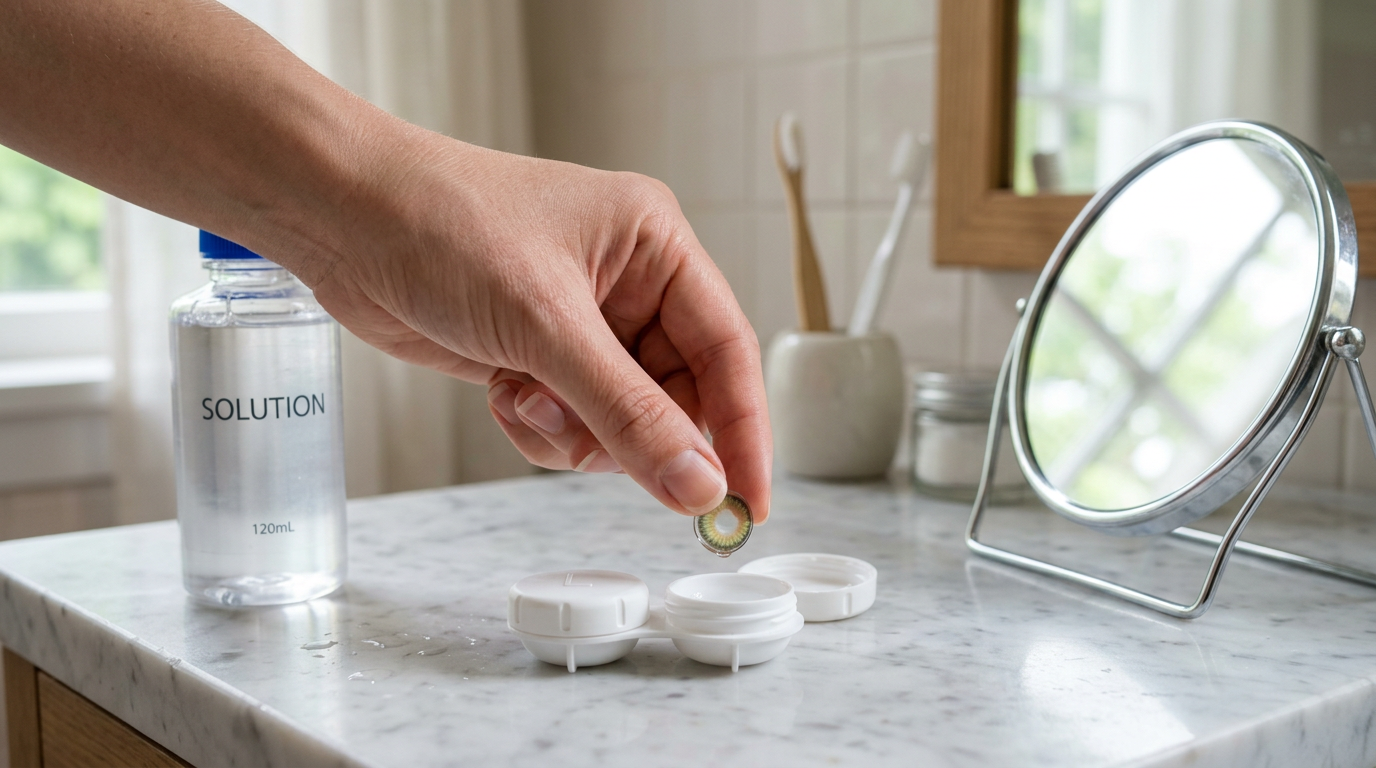
Decorative contact lenses can look fun, but they also sit directly on your eye—so small mistakes can turn into big problems fast. This checklist is for anyone considering costume, cosplay, or “color-change” lenses, including first-time wearers and parents buying for teens. The goal is simple: help you reduce risk, spot red flags early, and know what questions to ask before anything touches your cornea. Fall activities and costumes can increase interest in cosmetic lenses, so it helps to have a quick, practical safety plan before you buy.
Think of this like a food label for your eyes: you’re checking ingredients, storage, and handling—not just the packaging. If you want a local place to start, you can review options for decorative contact lenses in Athens, GA.
What You Need to Know First (High Priority)
- ✓ Treat them like medical devices. Even “just for looks” lenses can scratch the eye or introduce germs if they don’t fit or aren’t handled correctly.
- ✓ Get a proper lens fitting and prescription. Fit matters for comfort and safety; the wrong curve or diameter can irritate or damage the eye.
- ✓ Only use approved cleaning and storage supplies. Water, saliva, and DIY solutions can contaminate lenses.
- ✓ Don’t share lenses—ever. Sharing increases the risk of infection and inflammation.
- ✓ Stop wearing them if your eye hurts or vision changes. Pain, light sensitivity, redness, or blurry vision are “pause and get checked” signals.
How Decorative Contact Lenses Work on Your Eye
These lenses sit on the tear film over your cornea. They can change the appearance of your iris using tinted patterns, and some designs reduce the clear optical zone if they aren’t aligned well. Because the lens surface can trap debris and microbes, safe wear depends on three basics: (1) correct fit and material, (2) clean hands and proper disinfection, and (3) limited wear time with breaks.
Even if a lens feels “fine,” a poor fit can cause micro-scratches or reduce oxygen reaching the cornea. That’s why a fitting and clear care instructions matter more than the color name or online reviews.
Why Timing and Hygiene Matter More Than Aesthetics
The main risks from cosmetic lenses usually come from preventable issues: contamination, overwear, sleeping in lenses not approved for it, or using lenses that don’t match your eye’s shape. Problems can range from irritation and dryness to infections that may require prescription treatment. Delaying care can also increase downtime—meaning more days without contacts, sports, screens, or driving comfort.
If cost is on your mind, consider the trade-off: saving money on the purchase can become more expensive if you need treatment, follow-ups, or time off work. If you have insurance questions, it’s reasonable to ask for clarity before your visit so there are no surprises.
Common Missteps That Raise Your Risk (Checklist)
- ✓ Buying lenses without a prescription or fitting. “One-size-fits-all” is great for hats, not for corneas.
- ✓ Using water to rinse lenses or cases. Tap water can carry organisms that are unsafe for contact lens use.
- ✓ “Topping off” old solution. Old solution can be contaminated; always use fresh disinfecting solution as directed.
- ✓ Wearing lenses longer than recommended. Overwear increases dryness and irritation and may raise infection risk.
- ✓ Sleeping in lenses not specifically approved for overnight wear. Closed-eye wear reduces oxygen and can increase complications.
- ✓ Ignoring discomfort because it’s a special event. Pain is not a normal “break-in period.”
- ✓ Sharing lenses or cases. This spreads bacteria and viruses—no matter how “clean” they look.
Your Smart Wear-and-Care Plan (High Priority Checklist)
- ✓ Schedule a contact lens fitting before you buy. Ask what base curve, diameter, material, and replacement schedule you should use.
- ✓ Wash and dry hands before handling lenses. Use soap, rinse well, and dry with a lint-free towel.
- ✓ Use the recommended disinfecting solution. Follow the rub/rinse/soak steps on the solution label unless your eye doctor advises otherwise.
- ✓ Keep a “lens kit” for events. Bring solution, a clean case, lubricating drops approved for contacts, and glasses as backup.
- ✓ Limit wear time the first few uses. Build up gradually, especially if your eyes get dry with screens or air conditioning.
- ✓ Replace the case regularly. A worn case can harbor biofilm even if it looks clean.
- ✓ Remove lenses before any eye makeup removal. This helps keep removers and debris off the lens surface.
- ✓ If you have allergies or dry eye, ask for a tailored plan. You may need specific materials, drops, or shorter wear time.
Professional Insight: What Most People Miss
Clinicians commonly see problems when decorative lenses are purchased without a prescription, worn longer than intended, or cleaned incorrectly. Two patterns that are widely reported in eye-care guidance are (1) irritation that starts mild and worsens with continued wear, and (2) infections linked to poor hygiene, water exposure, or sharing lenses. A practical way to reduce risk is to treat comfort changes as a stop signal: if you notice increasing dryness, scratchiness, redness, or blur, remove the lenses and switch to glasses rather than “pushing through” a long event.
For evidence-based safety guidance, see the U.S. Food & Drug Administration (FDA) consumer information on decorative/cosmetic contact lenses, which emphasizes that these lenses are medical devices and should be obtained with a prescription and proper fitting.
When to Stop Wearing Them and Get Checked
Remove the lenses and seek professional eye care if you notice any of the following:
- ✓ Eye pain, burning, or a gritty sensation that doesn’t improve soon after removal
- ✓ Increasing redness in one or both eyes
- ✓ Light sensitivity (squinting indoors, discomfort in normal lighting)
- ✓ Blurry vision or a new “haze”
- ✓ Discharge or crusting
- ✓ A lens that won’t come out or feels stuck
Same-day evaluation is a smart default if you have eye pain, significant light sensitivity, a sudden vision change, worsening redness, or discharge—especially if symptoms persist after you remove the lens. If symptoms are severe or rapidly worsening, seek urgent evaluation options available in your area.
Your Questions, Answered
Do I need a prescription if the lenses are only for appearance?
Yes in the U.S.—decorative contact lenses are regulated medical devices. The FDA advises that cosmetic lenses should be properly fitted and purchased with a valid prescription, even if they don’t correct vision.
Can I wear cosmetic lenses if I already wear regular contacts?
Sometimes, but it depends on the lens parameters and your eye health. A fitting helps confirm the cosmetic lens matches your eye and that the wear schedule is appropriate.
Is it safe to clean lenses with water if I’m in a hurry?
No. Water is not a safe substitute for contact lens disinfecting solution. The FDA warns against exposing contact lenses to any kind of water (tap, bottled, distilled, lake/ocean) because it can introduce harmful organisms.
How long can I wear them for a party or event?
Wear time varies by lens type, your tear film, and how your eyes respond. Plan ahead: bring glasses, and set a “check-in” time (for example, every 2–3 hours) to assess comfort and vision. If you notice dryness, redness, light sensitivity, or discomfort, remove them and switch to glasses.
What should I do if my eyes are irritated after wearing them?
Remove the lenses, use glasses, and avoid re-wearing the lenses until you’ve been evaluated. Keep the lenses and case available in case a clinician wants to inspect them. If you have pain, light sensitivity, discharge, or a vision change, seek same-day evaluation.
Moving Forward
Decorative lenses can be worn more safely when you prioritize fit, hygiene, and realistic wear time. Use the checklist above before you buy, before you put them in, and anytime something feels “off.” If you want help choosing a safe option or you’re having symptoms after wearing cosmetic lenses, schedule an in-office evaluation.
Want More Information?
Before you buy, use this quick buying-source checklist: (1) the seller requires a valid prescription, (2) the packaging is sealed and labeled, (3) you can find an expiration date and lot number, and (4) you have clear wear/care instructions that match an FDA-regulated product. If any of those are missing, skip the purchase.