
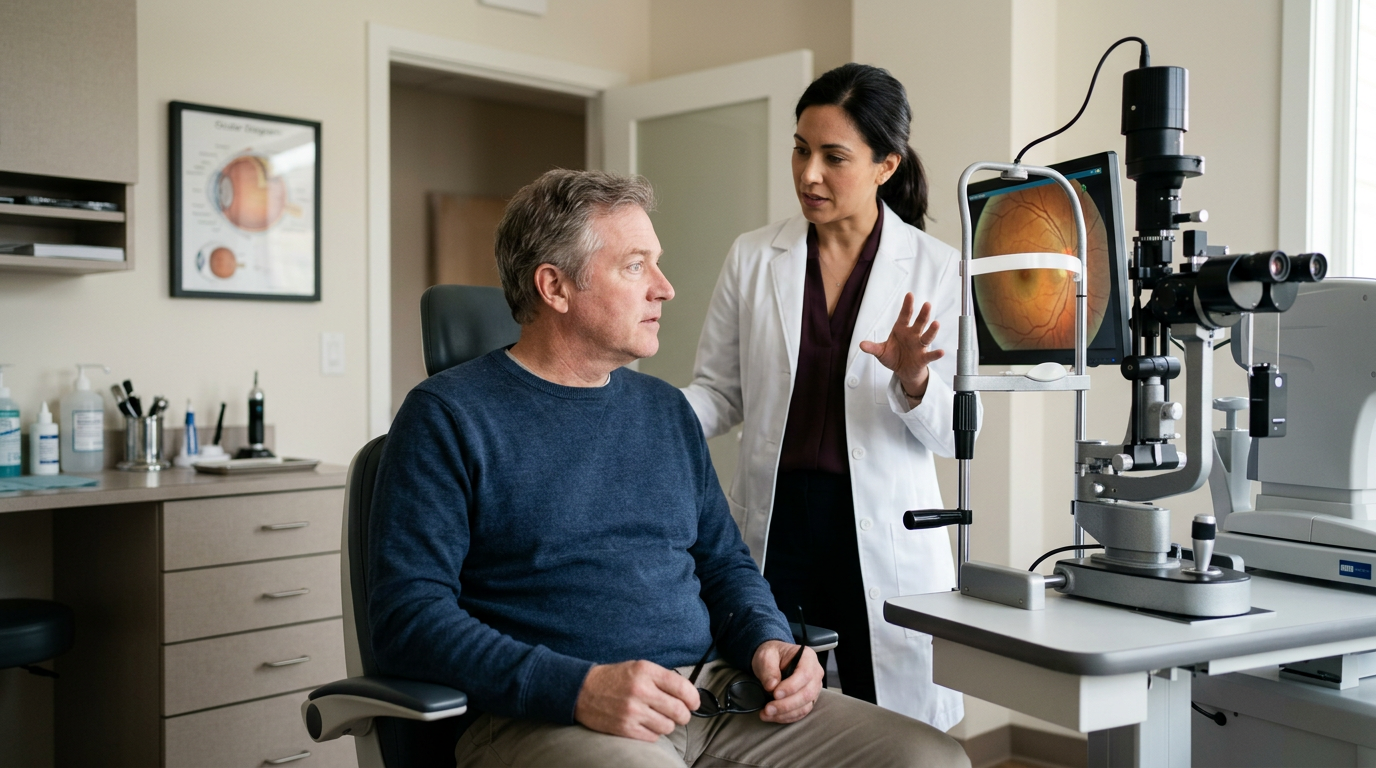
Starting a new eye care routine can feel surprisingly complicated: What happens during an appointment, how long does it take, and what should you bring? This eye exam FAQs guide is for new patients (and busy parents scheduling for kids) who want clear, practical answers before their visit. A comprehensive eye exam isn’t just about updating glasses—it can also help track vision changes over time and identify issues that may need follow-up. Fall routines often mean more screen time and schedule changes, so it’s a good season to get your questions sorted and plan ahead.
If you’re looking to schedule an appointment or confirm what your visit includes, start with the eye exam FAQs in Athens, GA page for local practice details.
If you’re comparing options or trying to understand what different clinics offer, look for an eye exam FAQ page that clearly lists services, what’s included in a comprehensive exam, and how they handle billing questions. If you can’t find those details online, calling during office hours is usually the fastest way to confirm what to expect.
What You Need to Know First: eye exam FAQs
- A comprehensive eye exam typically includes vision testing plus a medical evaluation of eye health; the exact tests can vary by age, symptoms, and history.
- Dilation is common and can temporarily blur near vision and increase light sensitivity. For many people, dilation effects last about 4–6 hours, but it can be shorter or longer depending on the drops used and your eyes’ response. Plan for sunglasses and consider arranging a ride if you’re concerned about driving.
- Bring your current glasses/contacts, a medication list, and any prior prescription details you have—this helps your doctor compare changes.
- Insurance and billing can be confusing; ask ahead whether your visit is billed as medical eye care or vision coverage, and request an estimate if you want one.
- Act promptly for urgent symptoms like sudden vision changes, significant eye pain, flashes/floaters, or an eye injury. Call during office hours for guidance; if symptoms feel urgent after hours, seek appropriate urgent or emergency medical care.
What Happens During a Comprehensive Eye Exam
A comprehensive eye exam usually combines two goals: checking how well you see and evaluating the health of your eyes. Your visit may include:
- History review: symptoms, medications, family history, and how you use your eyes (screen time, driving, hobbies).
- Visual acuity testing: how clearly you see at distance and near.
- Refraction: “Which is clearer, 1 or 2?” to determine a glasses or contact lens prescription.
- Eye pressure measurement: one data point used in glaucoma screening; it’s helpful but not the whole story.
- Slit-lamp exam: a microscope exam of the front of the eye (cornea, lens, eyelids).
- Retinal evaluation: often done with dilation to better view the retina and optic nerve; sometimes supported by imaging if the doctor recommends it.
Depending on your age, symptoms, and risk factors, a clinic may also recommend common add-on tests such as:
- Optical Coherence Tomography (OCT): scans retinal layers and the optic nerve; often used to evaluate or monitor conditions like macular degeneration, diabetic eye changes, and glaucoma-related nerve changes.
- Fundus photography: color photos of the retina to document baseline appearance and track changes over time.
- Visual field testing: checks peripheral vision; commonly used in glaucoma evaluation and some neurologic concerns.
- Corneal topography: maps the cornea’s shape; often used for contact lens fitting and refractive surgery screening.
- Dry eye testing: may include tear film evaluation and eyelid/meibomian gland assessment when dryness or irritation is a concern.
Not every patient needs every test at every visit. If you’re coming in for an eye exam because of a specific concern—dryness, headaches, blurry vision, or diabetes-related monitoring—your doctor may tailor the exam accordingly.
How Timing, Comfort, and Cost Can Be Affected by Your Eye Exam
Planning ahead can make your eye exam smoother—especially if it’s your first visit to a new clinic.
- Time: Dilation and extra testing can add time. Dilation itself is quick, but the drops often take 15–30 minutes to fully kick in. If your schedule is tight, ask when you book whether dilation is likely.
- Comfort: Bright lights, drops, and air puff/pressure checks can feel odd but are usually brief. Tell the staff if you’re anxious or sensitive to drops.
- Vision after dilation: Near work may be harder for a few hours (often 4–6 hours). Bring sunglasses and avoid planning detail-heavy tasks immediately after.
- Cost: A routine vision exam and a medical eye evaluation can be billed differently. If billing clarity has been a pain point for you in the past, ask for a quick explanation of how your visit is expected to be coded and what your plan typically covers.
Common Missteps New Patients Make
- Showing up without a medication list: Some medications can affect dryness, focusing, or eye pressure—bring a current list.
- Forgetting contact lens details: If you wear contacts, bring the brand/power or the boxes; contact lens prescriptions are not the same as glasses prescriptions.
- Scheduling right before a critical meeting: Dilation can blur vision; give yourself buffer time.
- Assuming “no pain” means “no problem”: Many eye conditions don’t cause early discomfort, so routine eye exam visits still matter.
- Not asking billing questions up front: If you’ve ever had a surprise bill, ask for clarification before the exam begins.
- Waiting too long with new symptoms: Sudden changes should be addressed promptly rather than folded into a routine eye exam slot.
Your Smart Prep Plan for an Eye Exam
- Bring your glasses, contacts, and any prior prescriptions you have.
- Write down symptoms (when they started, what makes them better/worse, which eye).
- List medications and relevant health conditions (for example, diabetes, high blood pressure, autoimmune disease).
- Know your insurance cards and ask whether your visit is expected to run through vision benefits, medical insurance, or both.
- Plan for dilation: sunglasses, a ride if needed, and fewer close-up tasks afterward.
- If you’re bringing a child, pack snacks and a quiet activity—appointments go faster when everyone is comfortable.
The Question That Improves Most Eye Exams
A helpful way to prepare is to state your main goal in one sentence before you arrive—“I’m struggling to read at night,” “My glasses feel wrong,” or “I’m here for a baseline check.” That single detail helps your eye doctor prioritize what to test first and what to explain more thoroughly, which can make the visit feel more focused and less like a blur of machines and numbers.
When an Eye Exam Shouldn’t Wait
Routine visits are valuable, but some symptoms deserve faster attention. Contact an eye care professional promptly if you notice:
- Sudden vision loss or a sudden curtain/shadow in vision
- New flashes of light, a sudden increase in floaters, or both
- Significant eye pain, swelling, or severe light sensitivity
- Eye injury (chemical exposure, blunt trauma, or a foreign body)
- New double vision
If symptoms feel urgent after hours, seek appropriate urgent or emergency medical care.
Your Questions, Answered
How often should I schedule a comprehensive visit?
Frequency depends on age, medical history, risk factors, and whether you have symptoms. If you’re unsure, ask the clinic what interval is typically recommended for someone with your profile after your first visit.
Will I need my eyes dilated at my first appointment?
Many comprehensive visits include dilation so the doctor can better evaluate the retina and optic nerve. It isn’t required for every patient every time, so it’s reasonable to ask when you book whether dilation is likely. If you are dilated, plan for 4–6 hours of light sensitivity and blurrier near vision for many people.
What’s the difference between a glasses prescription and a contact lens prescription?
They’re measured differently. Contact lens prescriptions include additional details (like base curve and diameter) and typically require contact lens-specific evaluation to confirm fit and vision.
Why did my bill look different than I expected?
Some visits are billed under medical insurance (for symptoms or medical conditions), while others are billed under vision benefits (routine refraction). This quick decision guide can help you predict which is more likely:
- Usually vision billing: you’re mainly updating glasses/contacts, you don’t have new symptoms, and the visit is focused on prescription.
- Usually medical billing: you have symptoms (redness, pain, flashes/floaters, sudden blur, double vision), an eye injury, or a known medical/eye condition being evaluated or monitored (for example, diabetic eye care, cataracts, glaucoma suspicion, macular degeneration).
- Sometimes both: you come in for a medical problem and also want an updated glasses prescription. In many clinics, the medical evaluation and the refraction are separate services; coverage can differ by plan.
If you want clarity, ask for an explanation of what was billed and why, and what your plan applied to the balance.
How should I handle new symptoms between routine visits?
Call during office hours and describe what changed, when it started, and whether it’s getting worse. Sudden vision changes, significant pain, or injury should be addressed promptly; if symptoms feel urgent after hours, seek appropriate urgent or emergency medical care.
Moving Forward
New-patient visits go best when you know what to expect and show up prepared with the right details. Use these eye exam FAQs to plan for dilation (often 4–6 hours of lingering effects), bring your vision history, and get ahead of billing questions before they become frustrating. If you have symptoms, be specific about what you’re noticing so the exam can be tailored to your needs. A well-planned eye exam is usually a calmer, clearer experience—exactly what you want when someone is shining bright lights near your eyeballs.
Fill out our quick form and we’ll respond as soon as possible during normal business hours.