
Glaucoma can damage the optic nerve and affect vision so gradually that many people don’t notice changes until the condition is more advanced. That’s why knowing glaucoma warning signs matters—especially for adults who want to protect their long-term sight, and for family members helping a loved one stay on top of eye health. In spring, when schedules shift and routines reset, it’s a good time to make sure subtle symptoms aren’t getting brushed off as “just tired eyes.”
Some forms of glaucoma develop with few obvious symptoms, while others can cause more noticeable changes. Either way, paying attention to red flags—and getting a timely eye evaluation—can make a meaningful difference in catching problems earlier and discussing treatment options with an eye doctor.
If you’re concerned about glaucoma warning signs in Athens, GA, a comprehensive exam can help clarify what’s going on and what next steps make sense for you.
How Glaucoma Can Affect Vision Over Time
Glaucoma is a group of eye conditions that can damage the optic nerve, which carries visual information from the eye to the brain. Often (but not always), this damage is associated with elevated intraocular pressure (pressure inside the eye). When the optic nerve is stressed or injured, vision can change—commonly starting with peripheral (side) vision.
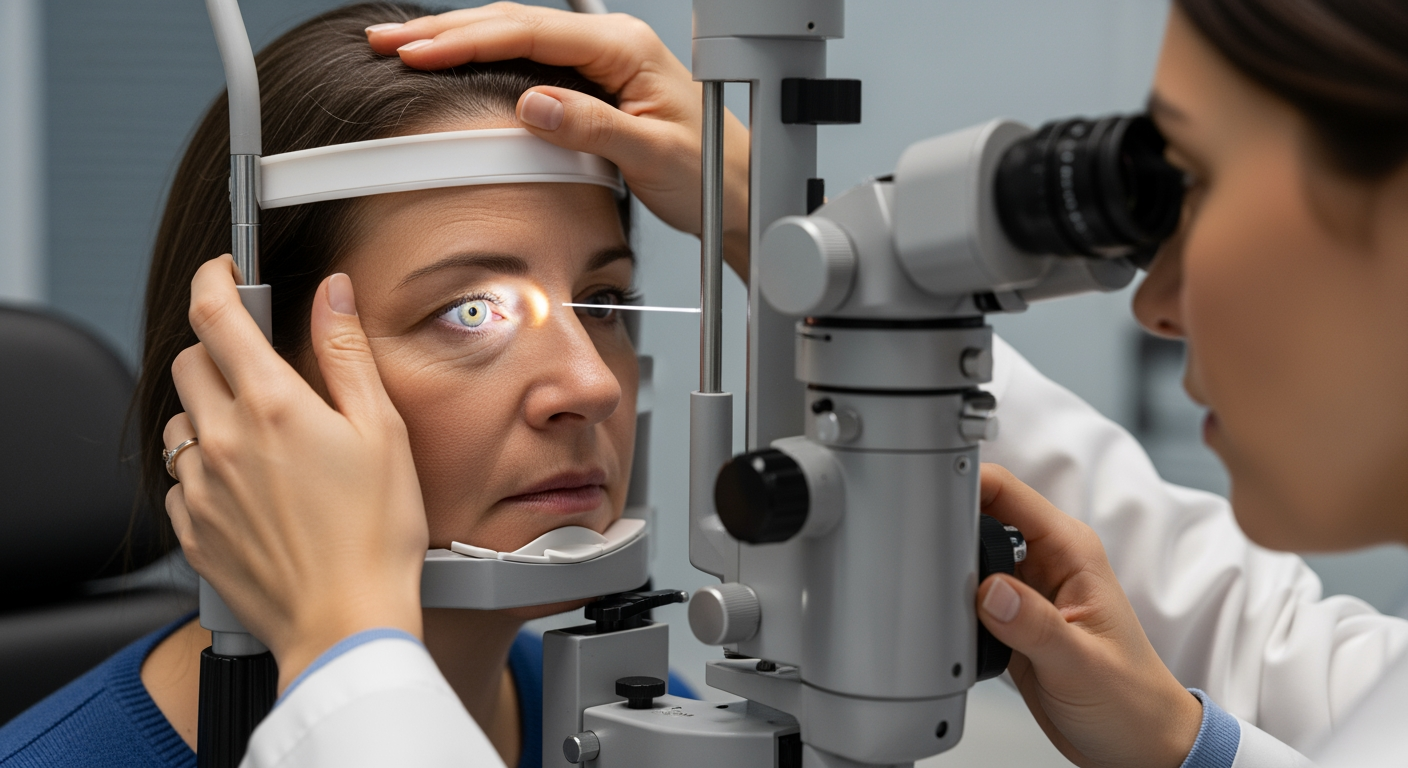
Because the brain is good at “filling in” missing information, early changes can be easy to miss in everyday life. That’s why symptom awareness helps, but it doesn’t replace testing. A comprehensive evaluation may include eye pressure measurement, optic nerve assessment, visual field testing, and imaging—based on what your doctor finds and your risk factors.
Why Catching Warning Signs Early Matters
Glaucoma-related vision loss is typically not reversible, which makes timing important. Waiting can mean:
- More permanent vision impact: Damage to the optic nerve can progress if the underlying cause isn’t addressed.
- More complex management: Later-stage disease may require more intensive monitoring or treatment plans.
- Safety and independence concerns: Reduced side vision can affect driving, mobility, and fall risk.
- More uncertainty: When changes are advanced, it can be harder to determine how long the problem has been developing.
Common Glaucoma Warning Signs
Not everyone with glaucoma experiences symptoms early, but these are practical red flags to take seriously. If you notice any of the following, consider scheduling an eye exam.
1) Gradual loss of side (peripheral) vision
Why it matters: Peripheral vision changes are a classic pattern in many glaucoma cases, and they can creep in slowly.
What to do: Don’t rely on “at-home” vision checks. Schedule a comprehensive eye evaluation, especially if you feel like you’re bumping into objects more often or missing things off to the side.
2) Trouble adjusting to low light or seeing in dim rooms
Why it matters: Difficulty in low light can have many causes, but it can also show up when vision function is changing.
What to do: Track when it happens (night driving, movie theaters, dim hallways) and share those details at your visit. Ask whether visual field testing is appropriate.
3) Halos around lights or increased glare
Why it matters: Halos and glare can be related to several eye conditions, including corneal issues, cataracts, and some glaucoma scenarios.
What to do: If it’s new, worsening, or affecting driving, schedule an exam. If it’s sudden and severe—especially with pain—seek prompt medical attention.
4) Eye pressure sensations, aching, or brow pain
Why it matters: Many people with glaucoma don’t feel pressure, but discomfort or aching can be a clue in certain situations.
What to do: Note whether symptoms come with redness, blurred vision, or headache. Call for guidance on how soon you should be seen.
5) Sudden eye pain with nausea/vomiting and blurred vision
Why it matters: This combination can be associated with acute angle-closure glaucoma, which may require urgent evaluation.
What to do: Seek immediate medical attention (such as an emergency room or urgent ophthalmic evaluation). Do not wait for a routine appointment.
6) Frequent changes in glasses prescription or “not seeing right” despite new lenses
Why it matters: Vision changes that don’t match a typical refractive pattern can indicate the need for deeper testing.
What to do: Bring your recent prescriptions and describe what still feels off (blur, distortion, side vision concerns). Ask whether optic nerve imaging or visual field testing is recommended.
7) A family history of glaucoma or other risk factors—without symptoms
Why it matters: Risk can be higher with family history, older age, certain medical conditions, or prior eye injury—even when you feel fine.
What to do: Don’t wait for symptoms. Schedule routine comprehensive exams and ask your doctor how often you should be monitored.
Your Smart Next Steps
- Schedule a comprehensive eye exam if you notice new visual changes, especially peripheral vision concerns.
- Write down your symptoms (when they started, what triggers them, what makes them better/worse).
- Bring your medication list and your most recent glasses/contact lens prescription information.
- Ask what tests you’re having and why (pressure check, optic nerve evaluation, imaging, visual field).
- Follow the monitoring plan your eye doctor recommends; consistency matters when tracking change over time.
Professional Insight: What Most People Miss
In practice, we often see people dismiss early changes because they’re intermittent—“some days my vision is fine”—or because one eye compensates for the other. The most helpful visits are the ones where patients bring specific examples (like trouble noticing cars in the next lane or bumping into doorframes) so testing can focus on the right concerns.
When to Seek Medical Care for Concerning Eye Symptoms
Consider getting evaluated soon if you notice:
- New or worsening peripheral vision issues
- New glare/halos that affect driving or daily tasks
- Vision that seems “off” despite updated glasses
- Eye discomfort paired with redness or headache
Seek immediate medical attention if you have sudden severe eye pain, sudden vision loss or significant blur, nausea/vomiting with eye symptoms, or a rapidly worsening red eye.
Your Questions, Answered
Can glaucoma start without noticeable symptoms?
Yes. Some types can progress quietly at first. That’s why routine comprehensive exams are important, particularly if you have risk factors like family history.
Do halos around lights always mean glaucoma?
No. Halos can occur for several reasons, including dry eye, corneal swelling, cataracts, or other issues. New or worsening halos are still worth an eye evaluation.
If my eye pressure is normal, does that rule it out?
Not necessarily. Some people can have optic nerve damage consistent with glaucoma even when pressure measurements are not elevated. Your doctor considers multiple findings, not pressure alone.
How often should adults get checked if glaucoma runs in the family?
It depends on your age, exam findings, and overall risk profile. An eye doctor can recommend an appropriate monitoring schedule after a baseline comprehensive exam.
Taking Action
Knowing the red flags can help you act sooner, especially when changes are subtle or easy to explain away. If something feels different—side vision, glare, night driving, or persistent blur—getting a professional evaluation is the safest next step. Glaucoma is not something to “wait and see” on your own, because early detection and monitoring help guide timely care decisions.