
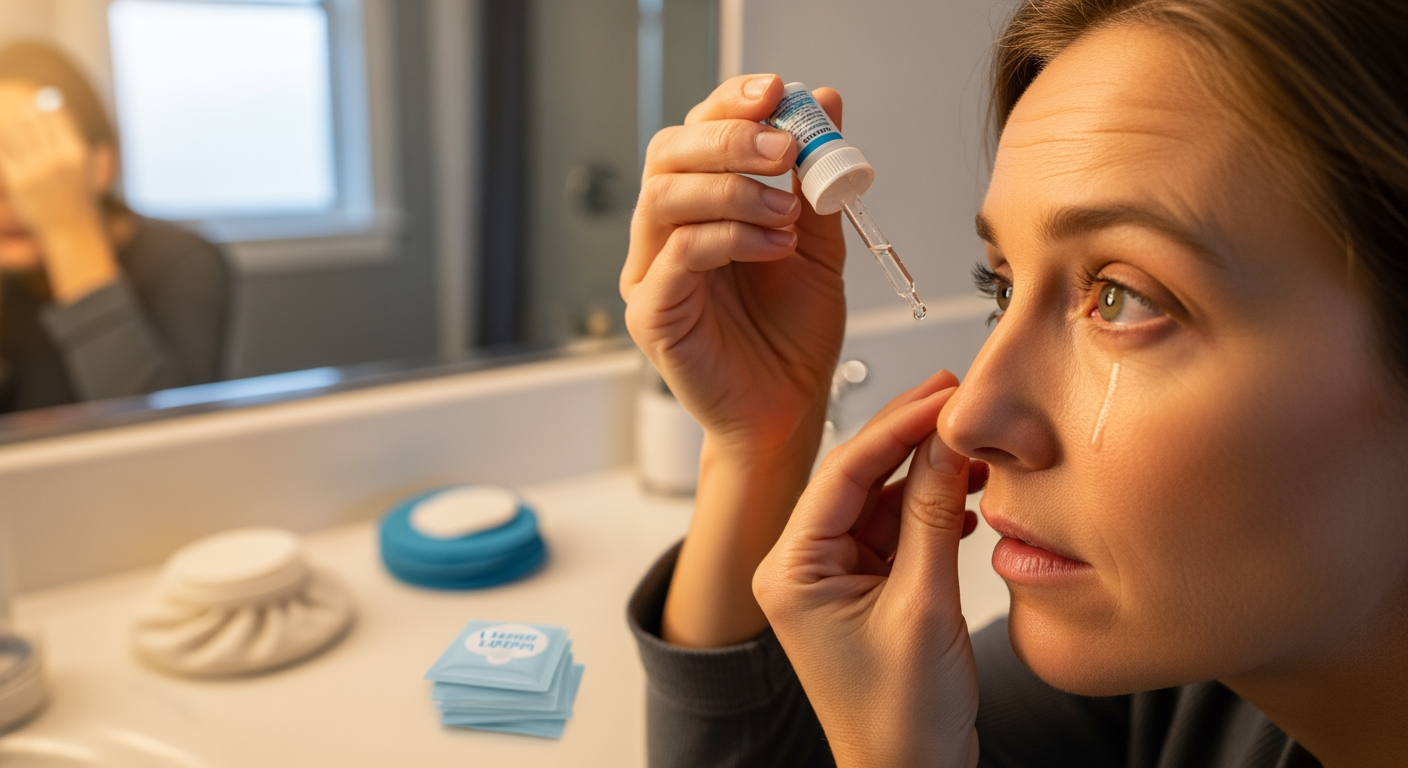
Dry, gritty, burning eyes can turn reading, driving, screens, and contact lenses into a daily negotiation. If you’re searching for dry eye treatment, you’re likely trying to figure out what actually helps, what’s safe to try at home, and when it’s time to see an eye doctor. This guide is for adults and families who want clear, practical next steps—without hype or one-size-fits-all promises.
Because symptoms can flare with travel, air conditioning, and long screen days, it helps to understand what’s causing your dryness and which options match your situation. The goal is usually to improve comfort, protect the eye surface, and support healthy tears over time.
If you’re looking for help in the area, you can start with dry eye treatment in Athens, GA and schedule an evaluation to discuss options that fit your symptoms and lifestyle.
Key Points to Know Before You Choose a Treatment
- Dry eye is usually multifactorial. Evaporation, inflammation, eyelid gland issues, and medication effects can overlap.
- Start with basics, then escalate. Many people begin with lubricating drops and environment changes, then add targeted therapies if needed.
- Not all drops are the same. Preservative-free options may be preferred for frequent use; some formulas target evaporation more than others.
- Eyelid health matters. Treating blepharitis or meibomian gland dysfunction can be a key part of symptom control.
- Consistency beats intensity. A simple routine done daily often works better than occasional “big fixes.”
- Get checked if symptoms persist. Ongoing pain, light sensitivity, or vision changes should be evaluated by an eye care professional.
How Dry Eye Develops (And Why It Feels So Different Person to Person)
Dry eye happens when your tears don’t adequately lubricate and protect the surface of the eye. That can occur because you don’t make enough tears, your tears evaporate too quickly, or the tear film is imbalanced. Many people have a combination.
Two common drivers: tear quantity vs. tear quality
Tear quantity issues may relate to age, certain medical conditions, or medications. Tear quality issues often involve the oily layer made by the eyelid’s meibomian glands; when that oil layer is poor, tears evaporate faster—especially with screens, fans, or dry indoor air.
Why symptoms can be confusing
Dry eye can cause burning, stinging, redness, a foreign-body sensation (“sand in the eye”), watery eyes (reflex tearing), fluctuating vision, and contact lens intolerance. The same person can have good and bad days depending on sleep, screen time, and environment.
The Real-World Impact: Comfort, Vision, and Daily Function
Dry eye isn’t just annoying—it can affect how you function day to day. Symptoms may worsen with computer work, reading, driving at night, or being in air-conditioned spaces. Some people notice blurred or fluctuating vision that improves after blinking or using lubricating drops.
From a practical standpoint, the “cost” is often time and disruption: frequent drop use, reduced contact lens wear, and the mental load of managing discomfort. Addressing the underlying cause can reduce flare-ups and help you rely less on quick fixes.
Common Missteps That Make Dry Eye Worse (Checklist)
- Using redness-relief drops as a daily solution. Some are designed for short-term use and may not address dryness.
- Overusing preserved drops. If you’re using drops many times per day, preservatives can irritate some eyes; ask about preservative-free options.
- Skipping eyelid hygiene. If eyelid inflammation or clogged oil glands are involved, drops alone may not be enough.
- Ignoring screen habits. Staring reduces blink rate, which can increase evaporation and symptoms.
- Assuming watery eyes mean “not dry eye.” Reflex tearing can happen when the surface is irritated.
- Waiting too long with pain or vision changes. Persistent discomfort deserves a professional evaluation.
A Smart Step-by-Step Plan for Dry Eye Relief (Checklist)
- Use lubricating drops strategically. Choose an artificial tear that fits your symptoms (and consider preservative-free if you need frequent dosing).
- Try warm compresses for eyelid oil glands. Gentle heat can help loosen thickened oils; follow with a lid massage if recommended by your clinician.
- Clean the lid margins. Use a clinician-recommended lid cleanser or wipes to reduce debris and inflammation at the lash line.
- Adjust your environment. Reduce direct airflow (fans/vents), consider a humidifier, and take breaks in dry indoor settings.
- Practice screen hygiene. Use the 20-20-20 approach (look 20 feet away for 20 seconds every 20 minutes) and consciously blink fully.
- Review medications and health factors with your doctor. Some medicines can contribute to dryness; don’t stop anything without medical guidance.
- Schedule an eye exam if symptoms persist. An evaluation can identify the dominant cause and guide more targeted options.
Professional Insight: The “Right” Treatment Is Usually a Combination
In practice, we often see people get partial relief from drops but continued flare-ups until the eyelids and tear film are addressed together—especially when meibomian gland dysfunction is part of the picture. A personalized plan tends to focus on both comfort now (lubrication) and stability over time (supporting healthier tear function and eyelid health).
When It’s Time to See an Eye Doctor
Consider scheduling a visit if any of the following apply:
- Symptoms last more than a few weeks despite consistent home care.
- You have eye pain, significant light sensitivity, or worsening redness.
- Your vision fluctuates or blurs in a way that doesn’t clear with blinking.
- Contact lenses become uncomfortable or you can’t wear them as long as you used to.
- You have a history of eye surgery or autoimmune disease and new or worsening dryness.
If you ever experience sudden vision loss, severe eye pain, or a new curtain/veil over vision, seek urgent medical evaluation.
Frequently Asked Questions About Managing Dryness
Are artificial tears safe to use every day?
Many lubricating drops are used daily, but the best choice depends on how often you need them and how your eyes respond. If you use drops frequently, ask your eye doctor whether preservative-free options are a better fit.
Why do my eyes water if they’re dry?
When the eye surface is irritated, your body can produce reflex tears. These tears may be more watery and may not stay on the eye long enough to fix the underlying dryness.
Do warm compresses actually help?
Warm compresses can help when eyelid oil glands are clogged or the oil layer is poor, which can reduce tear evaporation. Your clinician can tell you whether this is likely contributing in your case and how to do it safely.
Can screen time make symptoms worse?
Yes. People often blink less while focusing on screens, which can increase evaporation and irritation. Regular breaks and full blinking can help reduce strain and dryness.
What happens during an evaluation for chronic dryness?
An eye doctor may review your symptoms, medications, and daily habits, then examine the tear film and eyelids. Based on findings, they may recommend a tailored plan that can include specific drops, lid care, and other in-office or prescription options when appropriate.
Taking the Next Step With Confidence
Dry eye symptoms are common, but the path to relief is usually clearer when you match the approach to the cause. Start with consistent lubrication and habit changes, pay attention to eyelid health, and don’t hesitate to get evaluated if symptoms linger or affect your vision. A thoughtful plan can reduce flare-ups and make day-to-day life more comfortable.
Learn More About Our Services
Discover how we can help you achieve your goals.