
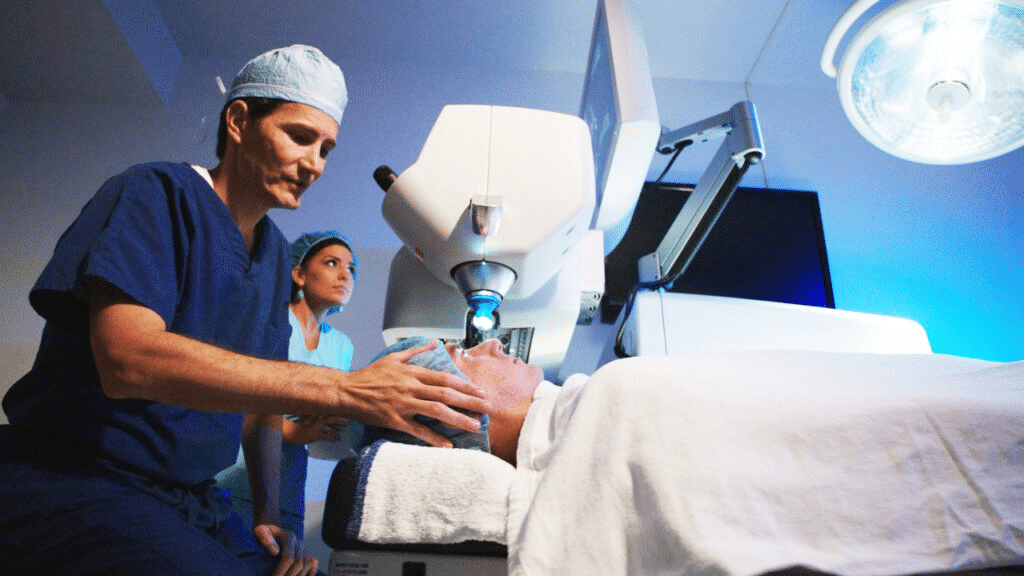
What Is Bladeless Laser Cataract Surgery?
Cataracts can significantly impact your quality of life, causing blurred vision, glare, and difficulty with everyday activities like reading and driving. Thankfully, advancements in eye surgery have made treatment safer, more accurate, and more comfortable — especially with bladeless laser cataract surgery.
Unlike traditional methods that use a blade to make incisions, bladeless cataract surgery uses femtosecond laser technology to perform key parts of the procedure with extreme precision. This modern approach offers more consistent results and is quickly becoming the preferred choice for patients and surgeons alike.
Benefits of Laser-Assisted Cataract Surgery
Laser cataract surgery isn’t just about avoiding blades. It’s about improving outcomes and patient experience. At Georgia Eye Clinic, patients in Athens and beyond benefit from:
- Enhanced surgical precision: Laser mapping of the eye ensures every incision is tailored to your unique anatomy.
- Faster recovery: Reduced trauma to the eye often leads to quicker healing and less discomfort.
- Customized vision correction: Your surgeon can more precisely position the intraocular lens (IOL), improving overall vision.
- Lower risk of complications: The laser allows for consistent incisions and softer cataract fragmentation, which reduces strain during the procedure.
This technique provides peace of mind for patients who are nervous about surgery and want a modern, efficient solution.
How It Compares to Traditional Methods
Traditional cataract surgery is a time-tested, effective treatment, but it relies heavily on manual tools and surgeon skill for each step — from making incisions to removing the cloudy lens.
In contrast, bladeless laser cataract surgery uses advanced software and laser technology to perform:
- Corneal incisions
- Capsulotomy (opening the lens capsule)
- Lens fragmentation
This results in better control, more accuracy, and fewer variables that could affect the outcome.
Is Laser Cataract Surgery Right for You?
Not everyone needs laser-assisted surgery, but many patients benefit from the added precision. Ideal candidates typically:
- Have moderate to severe cataracts
- Want improved outcomes or reduced recovery time
- Seek customized vision correction with premium IOLs
- Have astigmatism that can be corrected during surgery
If you’re over 60, noticing visual changes, or want to stay active and independent, laser cataract surgery could be the right solution.
The Procedure Step by Step
Here’s what you can expect when you choose bladeless cataract surgery at Georgia Eye Clinic:
1. Comprehensive Evaluation: The team uses advanced diagnostic tools to assess your eye health and determine the best treatment plan.
2. 3D Eye Mapping: High-resolution imaging creates a detailed blueprint of your eye for pinpoint accuracy.
3. Surgery Day: The laser performs the incision and softens the cataract. The cloudy lens is removed, and a new lens is implanted.
4. Post-Surgery Recovery: Most patients notice clearer vision within days and return to normal activities quickly, following post-op guidelines.
Why Choose Georgia Eye Clinic in Athens, GA?
With years of experience serving the Athens area, Georgia Eye Clinic offers more than advanced technology — they deliver trusted, patient-first care. Here’s what sets them apart:
- Board-certified ophthalmologists specializing in cataract care
- A full range of premium IOLs and laser equipment
- Personalized treatment plans
- Convenient, local access in Athens, GA
Their team is committed to making your surgery safe, successful, and stress-free from start to finish.
What to Expect Before, During, and After Surgery
Before surgery:
- Stop certain medications if advised
- Use prescribed eye drops to prevent infection
- Arrange transportation for surgery day
During surgery:
- Painless procedure (numbing drops only)
- 15–20 minutes per eye
- Relaxing environment with compassionate care
After surgery:
- Follow-up appointments at Georgia Eye Clinic
- Temporary mild discomfort, light sensitivity, or blurred vision
- Full recovery typically within 2–4 weeks
Understanding Cataracts and Vision Loss
Cataracts occur when the eye’s natural lens becomes cloudy, usually due to aging. You may have cataracts if you experience:
- Faded or yellowed colors
- Trouble seeing at night
- Sensitivity to light and glare
- Frequent prescription changes
Laser cataract surgery removes the clouded lens and replaces it with a clear artificial lens, restoring sharp, vibrant vision.
Risks and Considerations
While bladeless laser surgery is very safe, all procedures carry some risk. Possible (though rare) complications include:
- Infection or inflammation
- Lens dislocation
- Temporary swelling or discomfort
Cost can also be a factor, as bladeless techniques and premium IOLs may not be fully covered by insurance. However, many patients feel the comfort, safety, and long-term benefits justify the investment.
Advanced Lens Options at Georgia Eye Clinic
Your artificial lens (IOL) plays a big role in your visual outcome. Georgia Eye Clinic offers a variety of lens options, including:
- Monofocal IOLs – Clear vision at one distance
- Multifocal IOLs – Vision at multiple distances (reducing glasses)
- Toric IOLs – Correct astigmatism
Your surgeon will help you choose the best lens for your lifestyle and visual goals
Conclusion: Clear Vision Starts with a Trusted Local Team
Bladeless laser cataract surgery offers Athens, GA patients a safer, faster, and more precise solution for restoring vision. If you’re ready to take the next step, trust the specialists at Georgia Eye Clinic — where innovation meets compassion.
Ready for clear sight and a brighter future? Visit us to book your consultation today.