
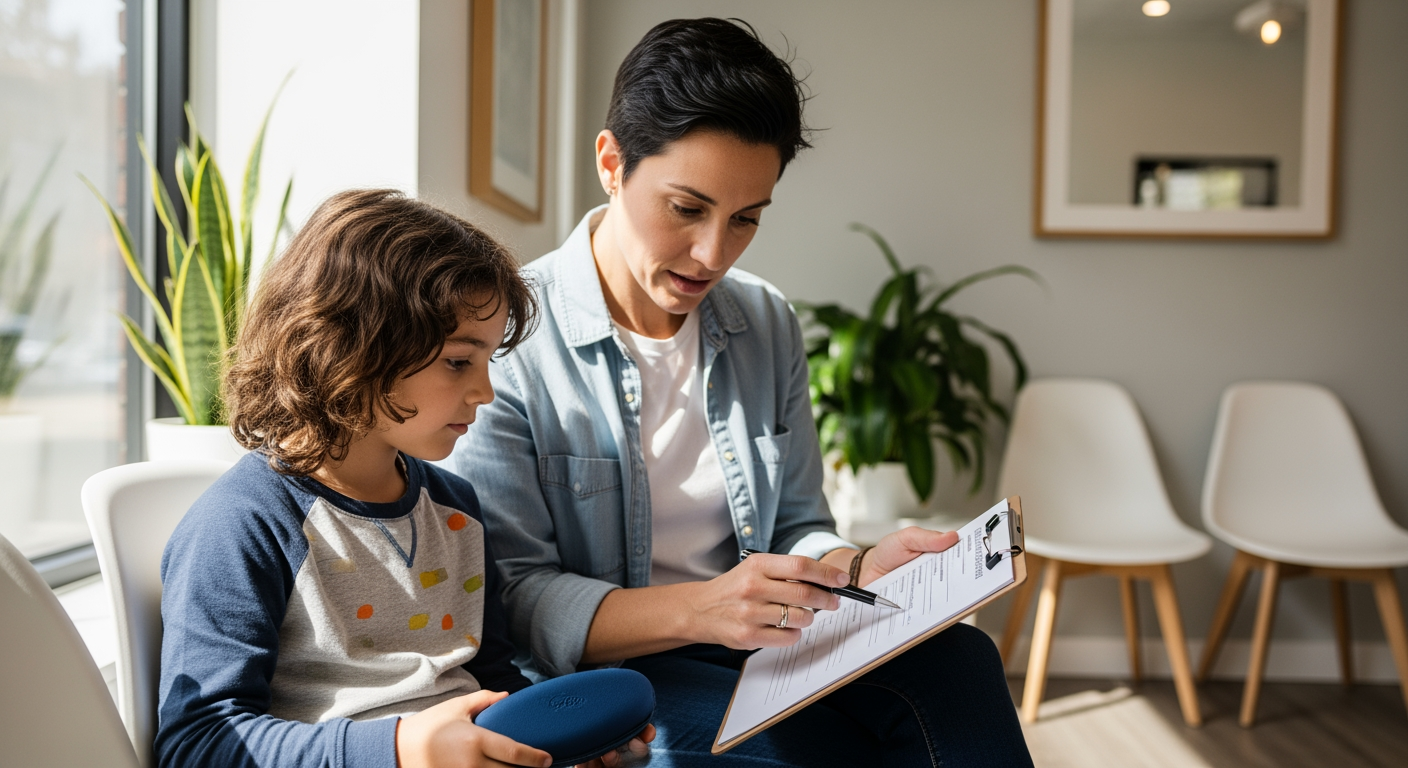
Planning a back-to-school eye exam can feel like one more item on an already packed to-do list—but it’s one that can directly affect how comfortably your child reads, focuses, and learns. This checklist is for parents, caregivers, and college students who want a practical way to get an exam scheduled, show up prepared, and understand what to ask. A comprehensive exam can help identify vision changes that may be easy to miss at home, especially when kids adapt by squinting, sitting closer, or avoiding reading. During the summer months, screen time and outdoor activities often change, and that can make it even harder to tell what’s “normal” versus a real vision issue. Use the steps below to stay organized and reduce last-minute stress.
Priority: High. If school is starting soon, treat this as a time-sensitive planning task—without rushing decisions or skipping questions.
If you’re looking to schedule a back-to-school eye exam in Greensboro, GA, this checklist can help you prepare for a smooth visit and a clearer plan afterward.
What to Do First
- ✓ Book early if you can. Appointment availability can tighten during school season, so aim to schedule before you’re down to the last open slot.
- ✓ Bring the right info. Pack current glasses/contacts, prior prescriptions (if you have them), and a list of symptoms or concerns.
- ✓ Expect more than a quick vision check. A comprehensive exam often includes eye health evaluation, not just “read the letters.”
- ✓ Ask about screen and study habits. Near work can affect comfort, focus, and headaches—share what a typical day looks like.
- ✓ Plan for dilation time. If dilation is recommended, you may want sunglasses and extra time before driving or heading back to errands.
How a Comprehensive School-Year Eye Check Typically Works
A comprehensive eye exam is designed to evaluate both how well you see and the health of your eyes. For students, that usually means checking distance and near vision, assessing how the eyes work together (teaming/focusing), and reviewing symptoms like headaches, eye strain, squinting, or trouble reading. Your provider may also evaluate eye health with specialized tools; in some cases, dilation is recommended to get a better view of internal eye structures.
If glasses or contacts are part of the plan, the visit is also a chance to confirm the prescription is accurate and comfortable for classroom and screen use. If something more complex is suspected, you may be advised to schedule follow-up testing or a referral—especially if symptoms don’t match what a simple vision screening would catch.
Why This Checklist Matters for School Performance and Comfort
Vision issues don’t always show up as “I can’t see the board.” Sometimes they show up as avoiding reading, losing place on a page, frequent rubbing of the eyes, or getting tired quickly during homework. A structured checklist helps you:
- ✓ Save time by arriving with the right history and questions.
- ✓ Reduce surprises by planning for dilation and possible follow-ups.
- ✓ Make clearer decisions about glasses, contacts, or next steps based on your student’s real day-to-day needs.
Common Back-to-School Eye Exam Mistakes to Avoid
- ✓ Waiting until symptoms are “bad enough.” Kids often compensate quietly; earlier evaluation can prevent months of unnecessary strain.
- ✓ Relying on a school vision screening alone. Screenings can be helpful, but they’re not the same as a comprehensive eye health evaluation.
- ✓ Forgetting to bring current eyewear. Bring existing glasses and contact lens information so the doctor can compare what’s working vs. what isn’t.
- ✓ Skipping the symptom list. Write down headaches, squinting, sitting close to screens, light sensitivity, or reading fatigue—details matter.
- ✓ Not planning for dilation. If dilation is recommended, expect temporary blur/light sensitivity and plan transportation accordingly.
- ✓ Assuming “20/20” means no problem. You can read letters clearly and still have focusing or eye teaming issues that affect near work.
Your Back-to-School Eye Exam Action Plan
- ✓ Pick a target week and schedule. Choose a window that gives you time for glasses ordering or follow-ups before classes ramp up.
- ✓ Gather essentials the day before. Include: current glasses/contacts, prior prescription (if available), medication list, and insurance details (if applicable).
- ✓ Track symptoms for 7 days. Note when issues happen (reading, sports, after screens, in bright light) and what improves them.
- ✓ Prepare 3 questions to ask. Examples: “Is this prescription best for screens and reading?” “Do the eyes work together well up close?” “Do you recommend dilation today?”
- ✓ Discuss school and activities. Mention sports, band, shop class, driving, or heavy screen use—these can affect lens and comfort recommendations.
- ✓ Confirm next steps before leaving. If glasses/contacts are recommended, ask about adaptation time and when to follow up if symptoms persist.
The Detail That Often Changes the Plan
In practice, we often see that the most helpful information isn’t just “blurry” or “fine”—it’s when the problem shows up. For example, a student who only struggles after 20 minutes of reading may need a different approach than someone who can’t see the board across the room. Sharing patterns (time of day, task type, lighting, screen use) helps the exam translate into recommendations that fit real school life.
When an Eye Doctor Visit Should Move Up Your List
Consider scheduling sooner (or asking for guidance) if you notice any of the following:
- ✓ Frequent headaches during or after reading/screen work
- ✓ Squinting, closing one eye, or sitting unusually close to screens or books
- ✓ Complaints of double vision, words “moving,” or losing place while reading
- ✓ Eye pain, new light sensitivity, or persistent redness
- ✓ A sudden change in vision (especially if it’s new or worsening)
If you have urgent or severe symptoms, contact an eye care professional for guidance on the appropriate next step.
Your Questions, Answered About School-Year Eye Exams
How long should we plan to be at the appointment?
It varies by what testing is needed and whether dilation is recommended. When you schedule, ask the office how much time to set aside so you’re not rushed.
Do we need to bring anything besides glasses or contacts?
Bring current eyewear, a list of symptoms, and any relevant medical history or medications. If you have a prior prescription or records, those can be helpful too.
Is a school vision screening enough for the year?
Screenings can flag some issues, but they typically don’t evaluate overall eye health or more nuanced focusing/teaming concerns. A comprehensive visit is broader.
What if my child says they see fine but struggles with reading?
Reading strain can be related to focusing, eye coordination, or visual comfort—not only distance clarity. Share the specific reading behaviors you’re seeing so the exam can address them.
Will dilation always be done?
Not always. Your eye doctor may recommend it based on age, history, symptoms, and what they see during the exam. If dilation is planned, ask how long effects may last.
Moving Forward with a Clear Plan
A back-to-school checklist helps you schedule with less stress, arrive prepared, and leave with practical next steps. Focus on documenting symptoms, bringing current eyewear, and asking questions tied to your student’s real school day. If anything feels off—headaches, reading fatigue, or squinting—don’t ignore the pattern. A thorough visit can help clarify what’s going on and what to do next.
Download our free resource to learn more about this topic.