Macular Degeneration
Macular degeneration is a common retinal disease and a leading cause of central vision loss among adults over 50. This condition occurs when the macula—the part of the retina responsible for sharp, detailed vision—begins to deteriorate, resulting in macula damage that affects daily activities like reading and driving. At Georgia Eye Clinic, patients can receive expert care from a macular degeneration specialist dedicated to preserving vision and improving quality of life.
There are two main types of age-related macular degeneration (AMD): dry and wet. Dry AMD progresses slowly and is more common, while wet AMD is less common but more severe due to abnormal blood vessel growth beneath the retina. Early detection by a macular degeneration doctor is critical in slowing disease progression and minimizing vision loss.
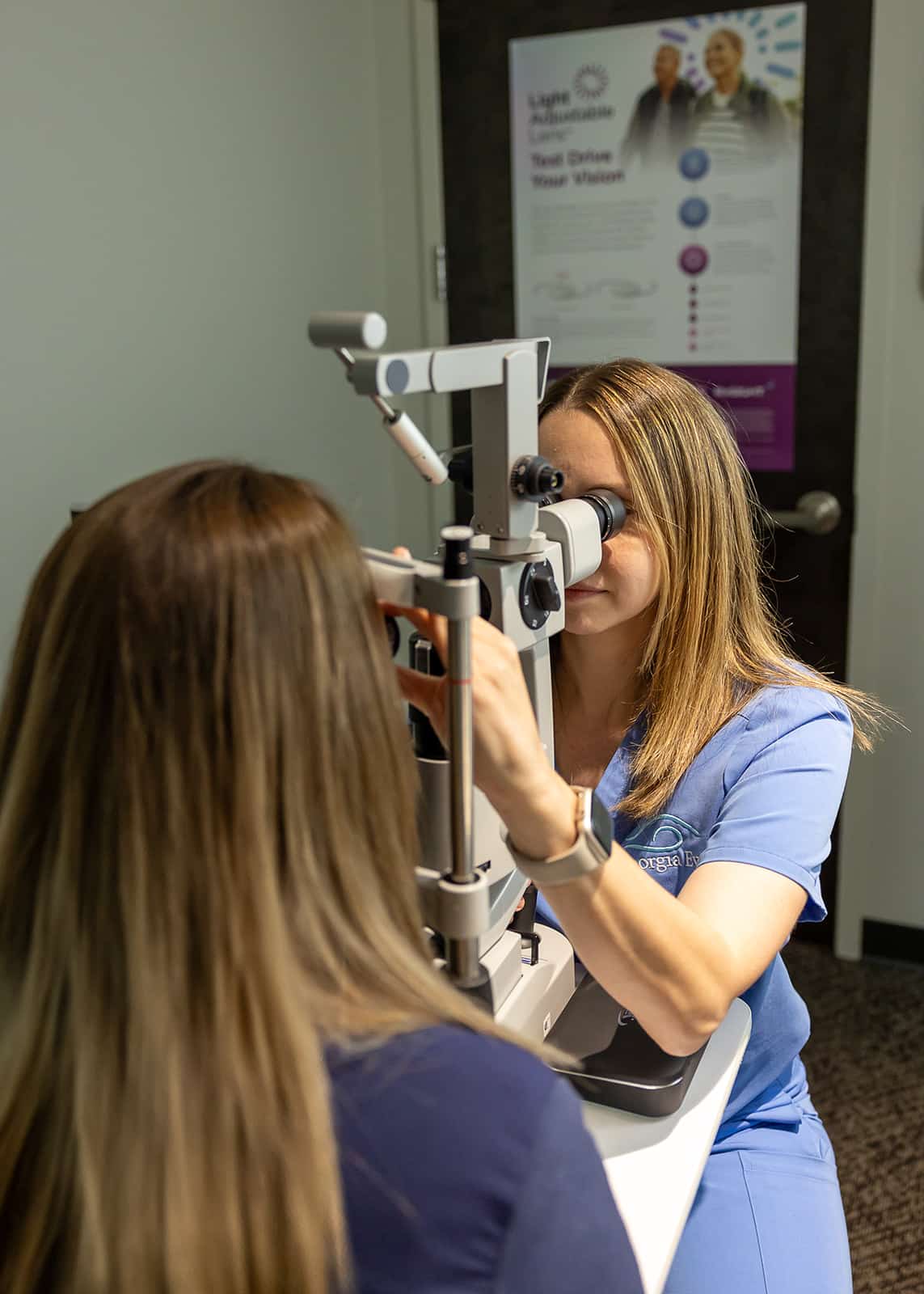
Patients experiencing symptoms such as blurred vision, dark spots, or difficulty recognizing faces should consult a macular degeneration eye doctor promptly. A skilled ophthalmologist or retina specialist for macular degeneration can perform comprehensive eye exams and imaging tests to diagnose the condition accurately.
Modern AMD treatment options have advanced significantly. Depending on the type and severity, treatment may include lifestyle recommendations, nutritional supplements, or, in the case of wet AMD, injections that help reduce abnormal blood vessel growth. A retina specialist works closely with patients to create personalized treatment plans aimed at preserving vision for as long as possible.
At Georgia Eye Clinic, every patient benefits from the expertise of a dedicated retina specialist and macular degeneration specialist who understands the complexities of this condition. With early intervention and ongoing care, individuals with macular degeneration can maintain independence and protect their vision.
Macular Degeneration Treatment
Macular degeneration treatment has advanced significantly, offering hope to patients diagnosed with this common age-related eye condition. At Georgia Eye Clinic, early detection and personalized care are key to managing the disease effectively. Recognizing macular degeneration symptoms and the early signs of macular degeneration—such as blurred vision, distorted lines, or difficulty seeing in low light—can make a critical difference in preserving vision.
There are two primary forms of the condition, and each requires a different approach. Dry macular degeneration treatment often focuses on slowing progression. Patients are frequently advised to take AREDS supplements for macular degeneration, which contain specific vitamins and minerals shown to support retinal health and reduce the risk of advanced disease.

Wet macular degeneration treatment, on the other hand, targets abnormal blood vessel growth beneath the retina. The most effective therapies today involve injections for macular degeneration, specifically anti-VEGF eye injections. These medications help block the protein responsible for the growth of abnormal vessels and leakage. Common options include Lucentis injections, Eylea injections for macular degeneration, and Avastin eye injections. These treatments are administered by experienced specialists and have been proven to stabilize or even improve vision in many patients.
In some cases, laser treatment for macular degeneration may be recommended to seal leaking blood vessels, although this treatment is used less commonly today due to the success of injectable therapies.
At Georgia Eye Clinic, patients receive comprehensive care tailored to their specific condition. By combining advanced treatments with ongoing monitoring, the clinic helps individuals manage macular degeneration effectively and maintain their quality of life. Early diagnosis and the right treatment plan remain the best defense against vision loss.
Retina Degeneration
Retina degeneration, including conditions like macular degeneration, is a serious eye disorder that can significantly impact daily life. One of the most common concerns patients report is blurry central vision, which often stems from damage to the macula (the part of the retina responsible for sharp, detailed sight). At Georgia Eye Clinic, early diagnosis and proactive care are essential in slowing disease progression and protecting vision.
Many patients first notice subtle changes, such as wavy vision (metamorphopsia) or vision distortion of straight lines, where objects may appear bent or uneven. Others may develop a dark spot in the center of vision, making it difficult to read or recognize faces. These symptoms should never be ignored, as they are often early warning signs of retinal disease.
Patients commonly ask, “How fast does macular degeneration progress?” The answer varies depending on the type and individual factors. Some forms progress slowly over years, while others, particularly wet macular degeneration, can worsen more rapidly without treatment. Patients also frequently wonder, “Can macular degeneration be cured?” While there is currently no cure, modern treatments can effectively slow progression and, in some cases, improve vision.
Understanding macular degeneration vs glaucoma is also important. While both are serious eye conditions, macular degeneration affects central vision, whereas glaucoma typically impacts peripheral vision due to optic nerve damage.
What happens if macular degeneration is untreated entirely? Without care, the condition can lead to significant and permanent central vision loss, greatly affecting independence and quality of life.
At Georgia Eye Clinic, comprehensive evaluations and personalized treatment plans help patients manage retina degeneration effectively and maintain their vision for as long as possible.
About Us
Georgia Eye Clinic is dedicated to providing exceptional, patient-focused eye care for individuals and families. Our team offers comprehensive vision exams, medical eye care, and advanced diagnostic services using modern technology. From routine checkups to the management of complex eye conditions, we are committed to protecting your eye health at every stage of life. At Georgia Eye Clinic, compassionate service, clear communication, and personalized treatment are at the center of everything we do. To schedule an appointment, call us today at (706) 546-0170 or visit us online.