
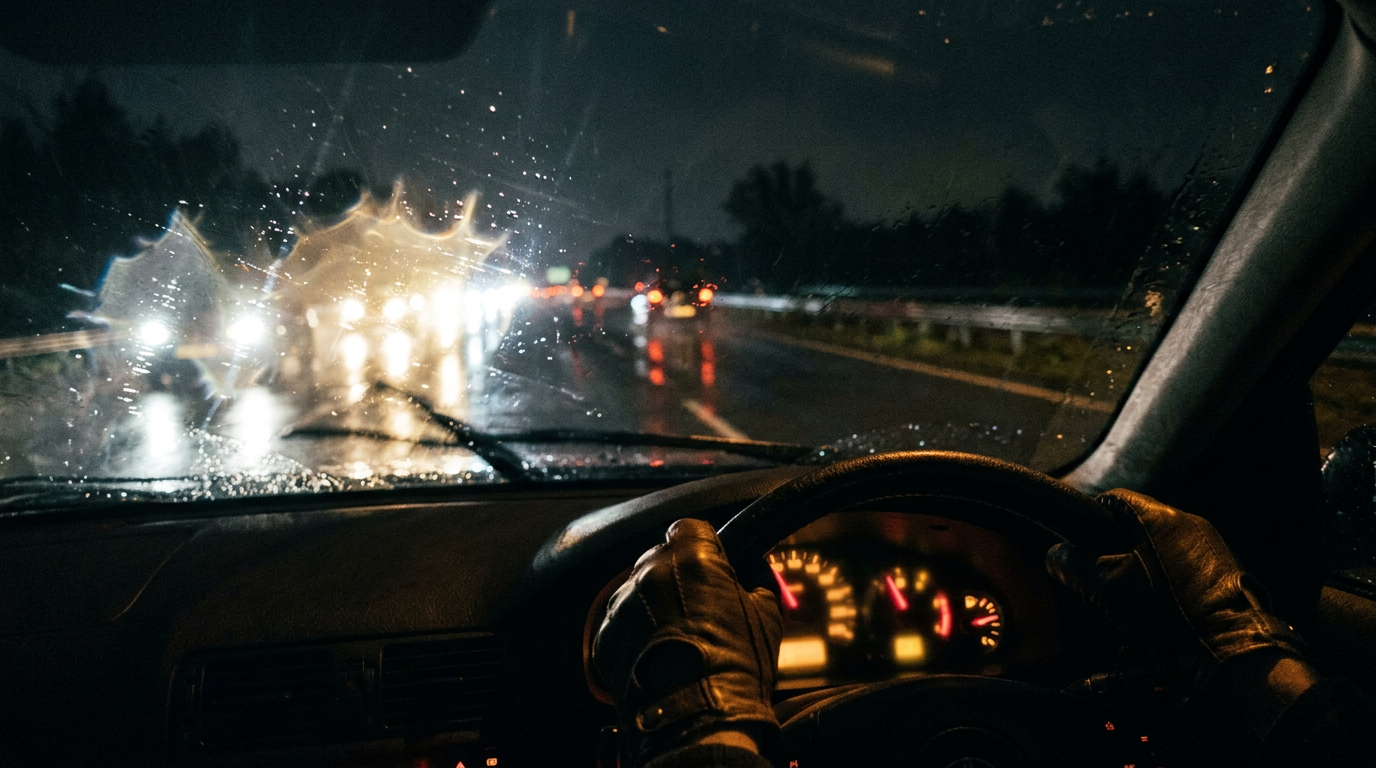
Seeing poorly after dark can be more than an inconvenience—night vision problems can change how safely you drive, walk on uneven ground, or recognize faces in dim rooms. This guide is for anyone noticing new trouble in low light, increasing glare from headlights, or a slower “adjustment time” when lights change. These symptoms matter because they can point to correctable issues (like an outdated glasses prescription) or conditions that need timely medical attention. As fall evenings get darker earlier, many people notice these changes more often during everyday errands and commutes.
If you want a local starting point for scheduling and directions, you can visit the Greensboro Ga Eye Doctor page.
The Essentials: What Night Driving Trouble Can Mean
- Night vision problems often show up first as glare, halos, or reduced contrast—not total darkness.
- Common contributors include refractive error changes, dry eye, cataracts, and medication side effects; more serious causes are possible and worth checking.
- Sudden changes, one-eye symptoms, pain, or flashes/floaters should be evaluated promptly by an eye care professional.
- Small fixes can help (updated lenses, treating dry eye, cleaning windshields), but they don’t replace a medical eye evaluation when symptoms persist.
- Tracking when symptoms happen (rain, oncoming headlights, fatigue) helps your clinician narrow down the likely cause.
Night Vision Problems: What’s Actually Happening in Your Eyes
Low-light vision relies on a few systems working together: your pupil dilates to let in more light, your retina’s rod cells detect dim images, and your brain interprets contrast and motion. Night vision problems can happen when any step in that chain is disrupted.
Some issues are optical—light scatters before it reaches the retina. That scatter can create glare, halos, and “starbursts,” especially around headlights. Other issues are retinal or neurologic—your eyes may not adapt quickly to darkness, or you may lose contrast sensitivity (the ability to distinguish shades of gray in dim settings).
Because multiple causes can feel similar, the most useful approach is to match the symptom pattern (glare vs. blur vs. slow adaptation) with a targeted eye exam and a discussion of your health history and medications.
Why Waiting Can Raise the Risk (Driving, Falls, and Missed Diagnoses)
Delaying evaluation can have practical consequences. Reduced contrast sensitivity and glare sensitivity can make it harder to judge distance, read road signs, or spot pedestrians at night. That can increase stress and avoidance behaviors—like skipping evening plans or limiting driving routes.
From a medical standpoint, persistent night vision problems can sometimes be an early clue that something is changing in the eye (for example, lens clarity, corneal surface quality, or retinal function). Catching those changes earlier can expand your options for treatment and improve day-to-day comfort.
Even when the cause is not urgent, confirming what’s going on can prevent wasted time and money on the wrong “fix,” like buying multiple pairs of over-the-counter glasses when the underlying issue is dry eye or cataracts.
Red-Flag Checklist: Warning Signs You Shouldn’t Ignore
- New or worsening glare/halos around lights — Often linked to optical scatter (dry eye, corneal issues, cataracts). What to do: if this is new within the last 1–2 weeks, noticeably worsening, or making you feel unsafe behind the wheel, stop night driving and schedule an eye exam promptly.
- Difficulty adjusting when entering dark spaces — “Dark adaptation” can slow for several reasons. What to do: if you’re needing extra time to see after lights change for more than a couple of weeks, or it’s getting worse, arrange an evaluation; avoid driving until you feel safe.
- Night blur that improves when you squint — Can suggest refractive error changes. What to do: if you can’t read street signs at your usual distance or you’re leaning forward to see at night, book an exam that includes refraction (glasses/contact lens measurement).
- One eye is noticeably worse than the other — Asymmetry deserves evaluation. What to do: cover one eye at a time to confirm; if the difference is new (days to weeks) or sudden, seek prompt care and avoid driving until you can see comfortably with both eyes open.
- Sudden vision change, eye pain, severe headache, nausea, or rainbow halos — These can signal a more urgent eye problem. What to do: seek urgent medical evaluation right away; do not drive yourself if vision is compromised.
- Flashes of light, a shower of floaters, or a curtain-like shadow — Possible retinal issue. What to do: get same-day evaluation through an appropriate urgent care pathway.
Your Next-Step Checklist: What to Do This Week (Without Guessing)
- Write down your top 3 symptoms (glare, halos, blur, slow adjustment) and when they started (for example: “new within 10 days” vs. “gradual over 6 months”).
- Check each eye separately (cover one eye at a time) to see whether the problem is equal or clearly worse in one eye.
- Track triggers for 7 days: oncoming headlights, rain, screen time, fatigue, dry environments, contact lens wear.
- List medications and supplements (some can affect dryness, pupil size, or alertness).
- Clean the “optics” you control: windshield inside/out, glasses lenses, and headlight covers (haze can mimic eye glare).
- Use supportive habits: blink breaks during screens, adequate hydration, and good ambient lighting at home.
- Don’t drive if you feel unsafe—especially if you’re missing signs, misjudging distances, or getting surprised by pedestrians/cyclists in low light.
- Schedule a comprehensive eye exam if symptoms persist beyond 1–2 weeks, interfere with driving, are new/unexplained, or are clearly worse in one eye.
Professional Insight: A Practical Way to Narrow Down the Cause
Many night-vision complaints fall into a few common categories that can feel similar at first: (1) a focusing issue (glasses/contact lens prescription), (2) a surface issue (tear film/dry eye), (3) a lens clarity issue (cataract-related scatter), or (4) a retinal/optic nerve issue (reduced contrast or new blind spots). A structured eye exam is designed to sort these out and point you toward the next best step.
When to Seek Medical Eye Care (Not Just New Glasses)
Arrange professional evaluation if any of the following apply:
- Your symptoms are new within the last 1–2 weeks, worsening, or affecting driving safety (especially glare/halos that feel different than before). If you don’t feel safe, don’t drive.
- You notice a difference between eyes or you’re closing one eye to see better at night—especially if that difference is new over days to weeks.
- You have eye pain, redness, sudden vision loss, flashes, many new floaters, or a shadow/curtain in your vision.
- You have diabetes or known eye disease and night vision changes appear or accelerate (diabetic eye disease can affect retinal function and contrast).
- Contact lenses suddenly feel uncomfortable or vision fluctuates with blinking (often tied to surface dryness or lens fit).
If you’re unsure how urgent your symptoms are, call an eye care office for guidance on appropriate next steps during standard hours. If symptoms are severe or sudden, seek urgent evaluation.
Common Questions Answered
What’s the most common reason people struggle to see at night?
Several issues can contribute, including changes in glasses prescription, dry eye that increases glare, and cataract-related light scatter. A comprehensive eye exam helps sort out which factor is most likely for you.
Are halos around headlights always a sign of cataracts?
No. Halos can also come from dry eye, corneal surface irregularities, contact lens issues, or refractive error. Cataracts are one possible cause, but not the only one.
Can dry eye really make night driving worse?
Yes. When the tear film is unstable, light can scatter more, which can increase glare and make vision fluctuate—especially with prolonged screen time or in dry environments.
What should I bring up during my appointment for low-light vision trouble?
Share when symptoms started (days vs. months), whether one eye is worse, what conditions make it worse (rain, fatigue, oncoming headlights), what you’ve tried, and a list of medications and supplements. If you wear contacts, bring your contact lens information (brand/power) and your glasses.
If I’m avoiding driving at night, is that a good enough solution?
Reducing night driving can lower risk in the short term, but it doesn’t identify the cause. If the change is new or worsening—or you’re avoiding driving because you don’t feel safe—an eye evaluation can clarify whether there’s a treatable issue (like a prescription update or dry eye treatment) or a condition that needs monitoring (like cataracts or retinal disease).
Taking Action
Night vision problems are common, but they’re not something you have to “power through.” Start by identifying your specific symptoms, noting triggers, and checking each eye separately. If you feel unsafe, don’t drive. A comprehensive eye exam can map your symptoms to the likely category and the right workup—often including refraction (to check for prescription changes), tear film evaluation (for dry eye), lens evaluation (for cataracts), and a retinal exam (to look for diabetic eye disease, macular degeneration, or other retinal causes). From there, next steps may be as simple as updating lenses or starting dry eye therapy, or it may include a cataract evaluation or retinal-focused care depending on what’s found.
Ready to Get Started?
Our team is here to help. Give us a call to discuss your needs.